
Accessible Parking Bay Audits on the Gold Coast: Checklist and Compliance
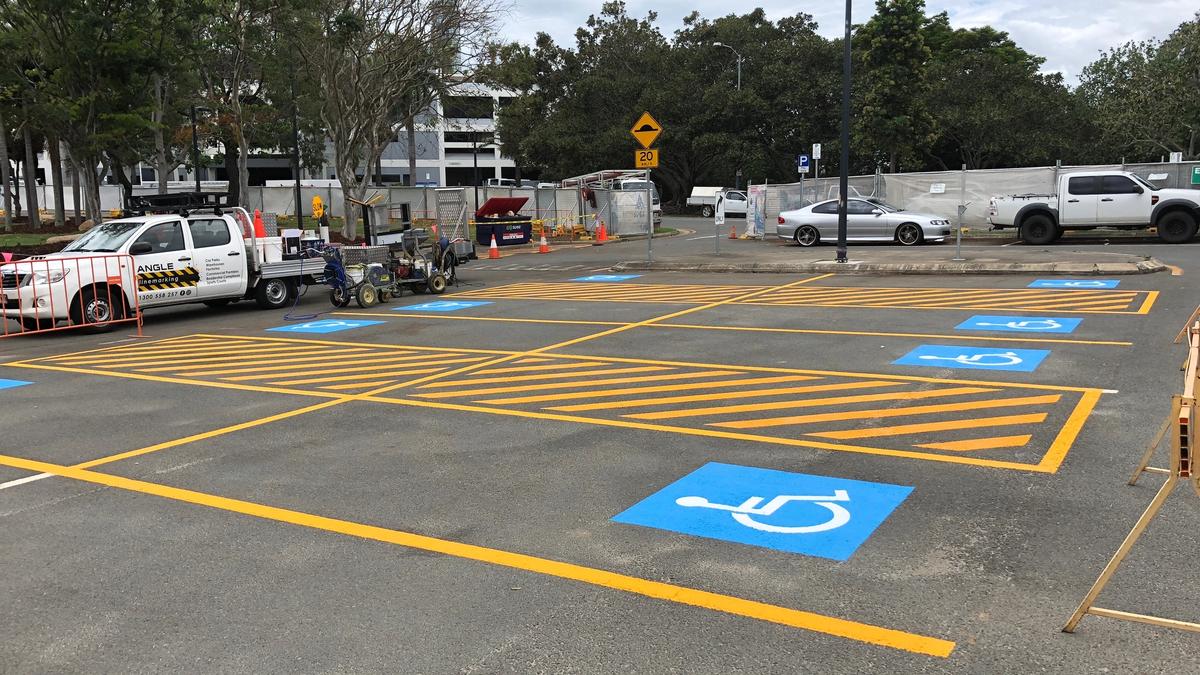
Keeping Accessible Parking Bays Safe, Legal and Easy to Use
Accessible parking bays on the Gold Coast are under closer scrutiny than ever. With more diverse access needs and stronger attention to compliance, poorly marked handicap bays stand out quickly for all the wrong reasons. Clear, legal bays are not just about ticking a box. They are about real people being able to get in and out of vehicles safely.
Accessible parking usually covers marked bays, shared access zones, kerb ramps, signs and the paths that connect to building entries. These requirements are set out in Australian Standard 2890.6. Many sites fall short with faded paint, incorrect bay sizes, missing symbols or no safe path from the bay to the door.
This guide explains what to check, when to repaint and how to stay compliant with current Australian Standards.
Understanding Your Legal Duties for Accessible Parking
There are a few key legal frameworks that shape how accessible parking must be provided in Queensland. These include the Disability Discrimination Act, which protects people against discrimination in access to premises, the Building Code of Australia, which sets out how many bays are needed and where they should be, Australian Standards and any local council conditions that may apply to your site.
If you are an owner, manager or part of a body corporate for a shopping centre, industrial site, strata complex or public venue, you are expected to make sure the required number of accessible bays are provided, bays are in the correct locations, and bays, shared zones and ramps align with current Australian Standards. Line marking and signage also need to remain clear and readable.
When these things slip, the risks build quickly. You may face discrimination complaints, council attention and insurance issues if there is an incident in the car park. There is also the cost and stress of urgent repairs when a problem is discovered at the wrong moment. Planned maintenance is usually simpler and easier to manage than reactive work.
Gold Coast-Specific Challenges for Handicap Bay Marking
Accessible bay markings can wear quickly in high-use car parks. Even good-quality handicap bay marking in Gold Coast sites may need closer monitoring where bays are near main entries and get frequent use.
Local factors that often speed up wear include:
- High vehicle turnover in accessible bays
- Frequent tyre movement over the same symbols and lines
- Surface age and texture
- General wear near entry points and pedestrian routes
- Ongoing use in busy retail, commercial and public sites
Then there is how people use the bays. In busy centres, accessible bays are often positioned near the main entry and experience regular turnover. Some areas may hold up for longer, while others can start looking tired much sooner.
Because of this, generic repaint cycles do not always work. A site-specific schedule, worked out with a line marking contractor who understands local conditions and traffic patterns, usually gives better results and helps you plan maintenance more effectively.
Practical Inspection Checklist for Accessible Parking Bays
A simple, regular walk-through can identify most issues before they turn into larger problems. When you inspect, look at three main areas: compliance, condition and user experience.
For visual clarity and compliance, ask:
- Are bay lines straight, clear and the correct colour?
- Do bay dimensions and shared zones match current Australian Standards?
- Is the disabled symbol the correct size and in the right place in each bay?
- Are kerb ramps and bollards where they should be, and do they line up with the bays?
For surface and signage condition, check:
- Is the paint faded, patchy, peeling or polished smooth by tyres?
- Are stencils worn so the wheelchair symbol is hard to see from a vehicle?
- Are upright signs missing, bent, turned the wrong way or hidden by plants or banners?
- Is there loose gravel, surface damage or trip hazards in the bay or access zone?
- How does everything look under the site’s normal lighting?
Then think about user experience. Try to see the bay through the eyes of a person using a wheelchair, a walker or a pram. Consider whether they can fully open the car door without hitting a wall, pole or another car, whether the shared zone is wide, level and free of posts or bins, and whether there is a simple, direct and safe path to the building entry. Also check whether they are protected from reversing traffic or nearby loading activity as they move. If the answer to any of these questions is no, it is time to act.
When to Repaint and Refresh Handicap Bay Marking
Repainting is not only about appearance. It is also about staying compliant and keeping the bay easy to use. There are three useful trigger types to consider.
First, visual triggers. You should plan a repaint when:
- Line edges look fuzzy or broken from a driver’s seat
- Colours have faded so much that bays blend into the general car park
- Wheelchair symbols are only partly visible or look patchy
- Photos from earlier checks show a clear drop in clarity
Second, time-based triggers. Many sites review their handicap bay marking every 12 to 24 months as a starting point. That timing can then be shortened or extended based on traffic levels, bay location and surface condition.
Finally, operational and legal triggers. You should reassess and often repaint when:
- You resurface or seal the car park
- You change the layout near entries or loading areas
- There has been an accident or near miss in or near accessible bays
- A complaint, inspection or audit identifies a problem
- You add more accessible parking to meet changing needs
Building a Simple Ongoing Compliance Plan
Keeping accessible bays in good shape does not have to be complex. A basic plan with clear habits will do most of the work. A simple routine can look like this:
- Quick visual walk-throughs each quarter
- Extra checks after heavy site use or surface works
- A more detailed annual audit with measurements and photos
- A regular review before scheduled maintenance or layout updates
Good record-keeping helps if questions arise later. Keep:
- Dated photos of each accessible bay and surrounding paths
- A list of defects or issues found in each check
- Records of when line marking, cleaning or repairs were completed
- Notes from any feedback, complaints or incidents connected to the bays
It is also smart to talk with your team. Brief staff on why accessible parking is reserved for eligible users, how to spot damage or fading, and who to notify when they see illegal parking or hazards.
Working with a professional line marking contractor makes the process smoother. A local team can help with audits, compliant layouts, line removal where needed, new markings and repaint schedules that suit the way your site operates. This helps ensure your handicap bay marking in Gold Coast conditions is planned carefully rather than left to guesswork.
Get Started With Your Project Today
If you are ready to improve accessibility and compliance in your car park, our team at Angle Linemarking QLD can help with precise and durable handicap bay marking in Gold Coast. We work around your schedule to minimise disruption while delivering clear, long-lasting line marking. Talk to us about your requirements and site conditions so we can recommend the best solution for your space, or simply contact us to request a quote.