
Understanding Australian Line Marking Standards for 2026
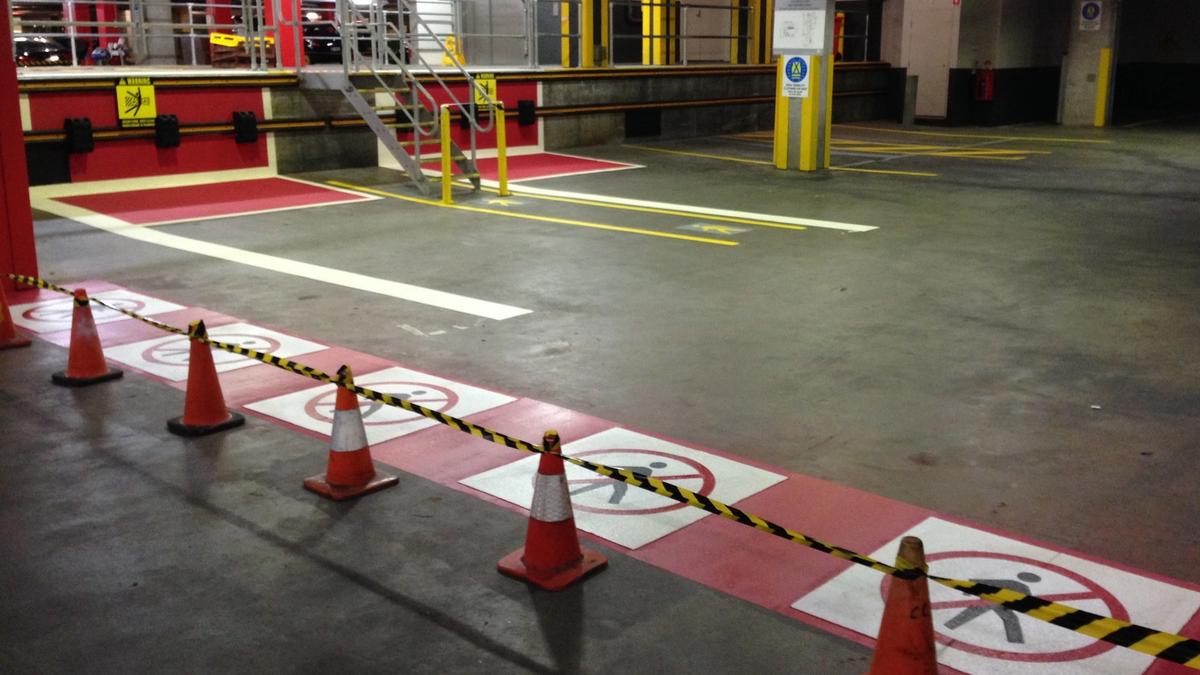
Queensland Line Marking Rule Changes to Know in 2026
When it comes to keeping places like car parks, warehouses, and schools running smoothly, clear line marking plays an important role. It supports safety, organisation, and clear traffic flow. In Queensland, line marking is not a guesswork task. Specific rules are in place to help ensure markings are applied correctly, and those rules are changing in 2026.
These updates will affect how projects are planned and approved across many industries, especially for those managing parking facilities, school grounds, industrial floors, or public-access areas. For site managers and property owners across Brisbane, Gold Coast, Ipswich, Logan, Tweed Heads, Ballina, Byron Bay, Lismore, and Murwillumbah, understanding the changes early can help reduce delays, rework, and compliance issues.
Understanding the Basics: Who Sets the Rules for Line Marking
Line marking in Australia is guided by national standards, with local councils and site-specific requirements influencing how those standards are applied. This means builders and property managers across Queensland may need to meet different requirements depending on the location and the type of site.
Australian Standards generally set expectations for how lines should look, where they should be placed, and what they are used for. From there, councils or site operators may apply additional requirements. These can include colour coding, line thickness, symbols, and durability expectations.
These rules commonly apply to public-use surfaces such as concrete and asphalt. This includes factory floors, car parks, shopping centres, loading zones, and school grounds. Depending on the project, some sites may also have their own layout or access requirements that need to be considered alongside broader compliance standards.
What's Changing in 2026: Key Updates to Look Out For
The 2026 updates to Queensland line marking regulations are expected to bring greater clarity to how markings are used across industrial and commercial environments. One of the key changes involves more clearly defined colour requirements for safety markings in warehouses and industrial buildings.
In addition to colour updates, spacing requirements are also changing. For parking bays, especially accessible spaces, larger buffer zones are being introduced to improve visibility and user access. Line widths may also change slightly in some commercial settings to support durability and clearer definition in high-use areas.
Warehouses are also seeing a stronger focus on safety visibility. This includes clearer guidance on how pedestrian walkways, forklift paths, and hazard zones should be marked. If you are updating a floor layout or setting up a new industrial site, these details can have a direct impact during inspections and approvals.
Common Mistakes That Lead to Non-Compliance
Many projects are delayed or need to be redone because the preparation was not handled properly. A common issue is skipping surface cleaning or failing to address uneven areas before paint is applied. Without proper preparation, the coating may not adhere as intended and may fall short of durability expectations in compliance guidelines.
Here is where problems often begin:
- Forgetting to grind or clean surfaces before painting
- Using paint that is not rated for the surface conditions
- Incorrect spacing between lines that causes confusion or misalignment
It is not just about appearance. When markings are unclear or incorrectly set out, the result can be blocked access, parking confusion, or safety risks. Checking the specifications before any work begins is always better than correcting issues later.
Planning ahead and understanding the updated rules can help prevent unnecessary delays. If a project needs to be redone because it does not meet compliance requirements, it can waste time, increase costs, and interrupt day-to-day operations.
Planning Ahead for Industrial and Commercial Spaces
Before any line is marked, it is worth planning properly. When rules change, the approach to project timelines, materials, and layout reviews often changes as well. For both new builds and refurbishments, checking the updated requirements early can help keep the job on track.
A well-planned project starts with understanding what applies to the site and what needs to be documented before work begins. Clear preparation makes it easier to avoid layout mistakes and reduce the risk of non-compliance.
Here are steps to keep in mind before scheduling line marking:
- Check if your facility falls under the updated rules
- Confirm what materials are suitable for your surface and site requirements
- Review the layout carefully before work begins
Whether you are overseeing a hospital car park, a warehouse expansion, or a school refresh, thinking through these details early can help avoid rework and maintain compliance. It is also helpful to keep a site-specific checklist on hand throughout the project.
The Role of Surface Preparation in Line Marking Success
Good preparation is about more than a quick clean. It is about making sure the surface is ready to support a durable and compliant result. Even when a surface appears ready, contaminants or underlying issues can affect adhesion and long-term performance.
Compliance standards do not only relate to how markings look on the day they are applied. They also relate to how well those markings hold up over time. If the surface is not properly prepared, even well-applied lines can wear down sooner than expected.
To avoid common issues, it helps to focus on these practical preparation steps:
- Remove dust, debris, and residue before painting
- Check for surface damage or uneven areas that may affect the finish
- Make sure the layout is measured and set out accurately before application
These steps support the long-lasting quality that updated regulations are prioritising. Careful preparation helps ensure the final result remains clear, durable, and compliant.
Stay Clear, Stay Compliant: Why Standards Matter Long-Term
Following Queensland line marking regulations is about more than meeting a checklist. It helps keep busy public areas safer, reduces confusion in access zones, and supports markings that hold up under regular use.
Understanding the current and upcoming standards gives builders, managers, and maintenance planners a stronger starting point. Problems are easier to prevent early, and the result is cleaner, longer-lasting work that aligns with compliance requirements. Whether you are working across warehouse floors or organising a car park, starting clear means staying compliant.