
Designing Clear Multi-Use Concrete Layouts for Schools and Community Spaces
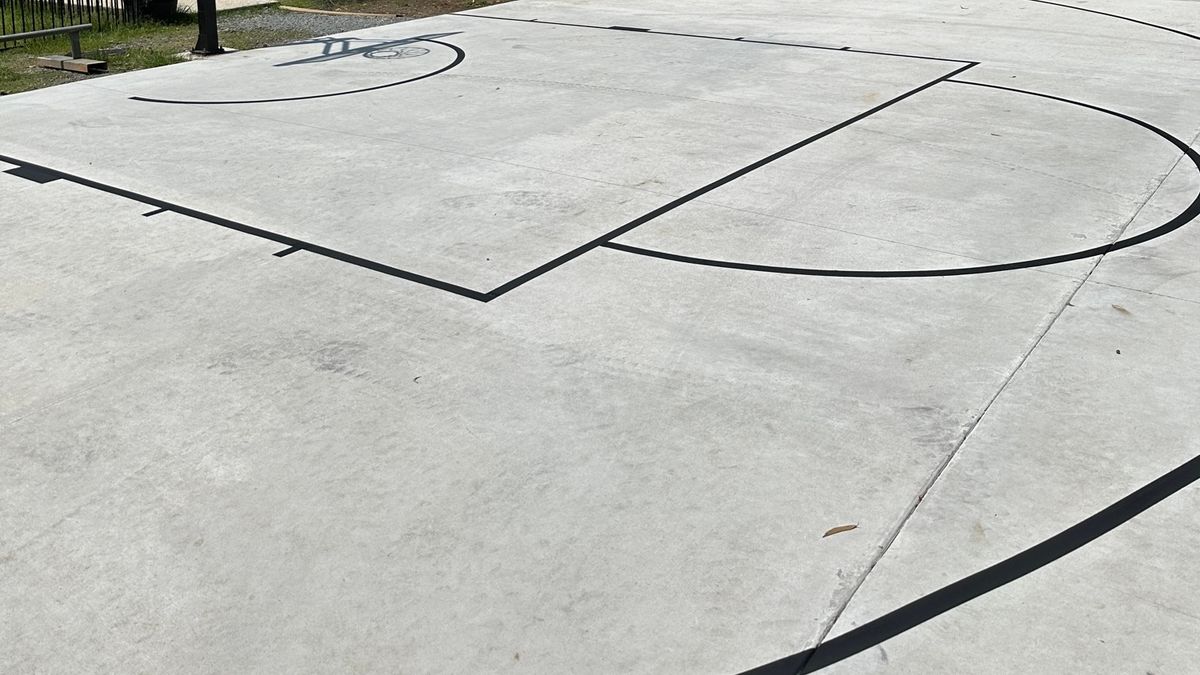
Better Planning for Multi-Use Concrete Areas
Multi-use concrete areas are becoming more common in schools and shared community spaces. They help make better use of available space while supporting a range of activities. One well-designed surface can do a lot, but if the layout is not planned properly, the area can quickly become confusing or unsafe.
Concrete spaces can work hard across the day, supporting structured activity, free play, supervised movement and general circulation. That is why layout planning matters. Line placement, visual clarity and safe spacing all affect how the area looks, feels and functions over time.
Planning a Layout That Supports Daily Use
Before anything is marked, it helps to think carefully about how the area will actually be used. A school might need the space for daily physical activity, group games, assemblies or broader community use. Each of those uses comes with different spacing, safety and visibility needs.
To make the most of the space without creating confusion, these points can help:
- Choose layouts that can overlap without clashing
- Allow enough buffer space between marked zones, walls and other structures
- Think about how people will enter, exit and move around the space safely
Colour is another useful tool. Using different line colours for different activities can make the layout easier to read. At the same time, too many colours can make the surface feel crowded, so it is usually better to keep the palette simple and consistent.
Many schools and community spaces benefit from clearly organised layouts. When planning, it is important to decide whether the area is intended for formal activity, casual recreation or a mix of both. Spaces used for more formal purposes may need recognised dimensions, while general activity areas can allow more flexibility. Understanding the main purpose of the space helps reduce unnecessary overlap and keeps the layout easier to follow.
Preparing Concrete Surfaces the Right Way
Concrete can be a practical surface for shared-use areas because it is durable and relatively straightforward to prepare. Before any lines go down, the surface needs to be in suitable condition.
That means:
- The concrete should be dry, level and sound enough to hold the coating
- It should be pressure cleaned to remove dirt, dust, oil or old residue
- Minor cracks or uneven patches should be repaired so markings stay clear and consistent
It is also important to allow freshly poured or patched concrete to cure properly before marking. If the surface is not ready, adhesion can be affected and the finished result may not last as intended.
Visibility matters as well. In open spaces, line clarity can drop if the wrong product is used or if the surface is not prepared thoroughly. Regular checks for wear, especially in areas with frequent foot traffic, can help keep the layout readable and reduce fading or chipping over time.
Marking Techniques That Support Durability
A smart layout only works if the markings stay clear and durable. Because these spaces often see heavy foot traffic and repeated movement, the coating needs to be chosen and applied carefully.
What matters most includes:
- Using line marking products suited to concrete surfaces
- Grouping markings logically and using colours that remain easy to distinguish
- Considering how easy it will be to adjust or update the layout later if needs change
Safety is part of the finish too. In high-use areas, grip underfoot matters. A suitable finish or texture can help support safer movement, especially in parts of the space that see frequent stopping, turning or gathering.
Good application practices also make a difference. Neat edges, clean boundaries and accurate set-out improve both presentation and usability. Some sites may benefit from periodic touch-ups in worn areas, which can extend the life of the layout without requiring a full remarking.
Safety, Set-Out and Ongoing Practicality
A smart design is not only about appearance. Shared-use concrete layouts should also consider safe setbacks, practical circulation and how people move through the area each day.
Helpful points to keep in mind include:
- Using recognised dimensions where formal activities require them
- Allowing enough setback from fences, buildings or poles so users are less likely to run into hazards
- Making sure line thickness and scale support good visibility
In shared school spaces or council-managed areas, it is also worth thinking beyond the marked activity itself. Clear pedestrian paths, accessible movement areas and designated spaces for waiting or supervision can make the area easier to manage and more welcoming for everyone.
Periodic reviews can help identify practical problems before they grow. Keeping clear reference diagrams and maintenance notes can also make future updates much simpler.
Making Every Line Count
The best multi-use concrete areas feel clean, simple and easy to understand. People should be able to look at the surface and quickly work out where to stand, where to move and how the different zones are meant to function.
When a layout is planned properly from the beginning, there is less chance of confusion, fewer safety concerns and fewer issues as the surface wears over time. A well-organised concrete area can support a wide mix of uses while remaining clear, flexible and easier to maintain.
With careful planning, one concrete space can serve many purposes and continue to perform well as needs change. Getting the layout, markings and preparation right early makes the area safer, more durable and easier to update later on.
Get Started With Your Project Today
At Angle Linemarking QLD, we know that getting the layout right is only part of the process, because every line needs to perform well over time. That is why we approach each job with a focus on durability, surface quality and future maintenance. Whether you are planning a new project or refreshing an existing layout, our line marking services can help you create a clear, lasting result for your concrete space. Contact us today to request a quote.