
Guide to Commercial Line Marking for Shopping Centres
Better Line Marking for Busy Shopping Centres
Shopping centres get a lot of use every day. With constant foot and vehicle traffic, spaces can quickly become crowded or confusing if they are not clearly marked. Commercial line marking helps bring order to that busy environment. Whether it is guiding cars through a car park or showing pedestrians where to walk, clear lines make a real difference.
In Queensland, shopping centres deal with high traffic volumes and demanding surface conditions. That means line marking needs to do more than look good. It needs to suit a working space and help people move through it safely and confidently.
Planning Line Marking Around Shopping Centre Needs
Every centre is different, but there are a few common areas that usually need clear, dependable markings. These include:
- Car parks, especially entrances, exits and accessible bays
- Delivery bays and loading zones where trucks move in and out regularly
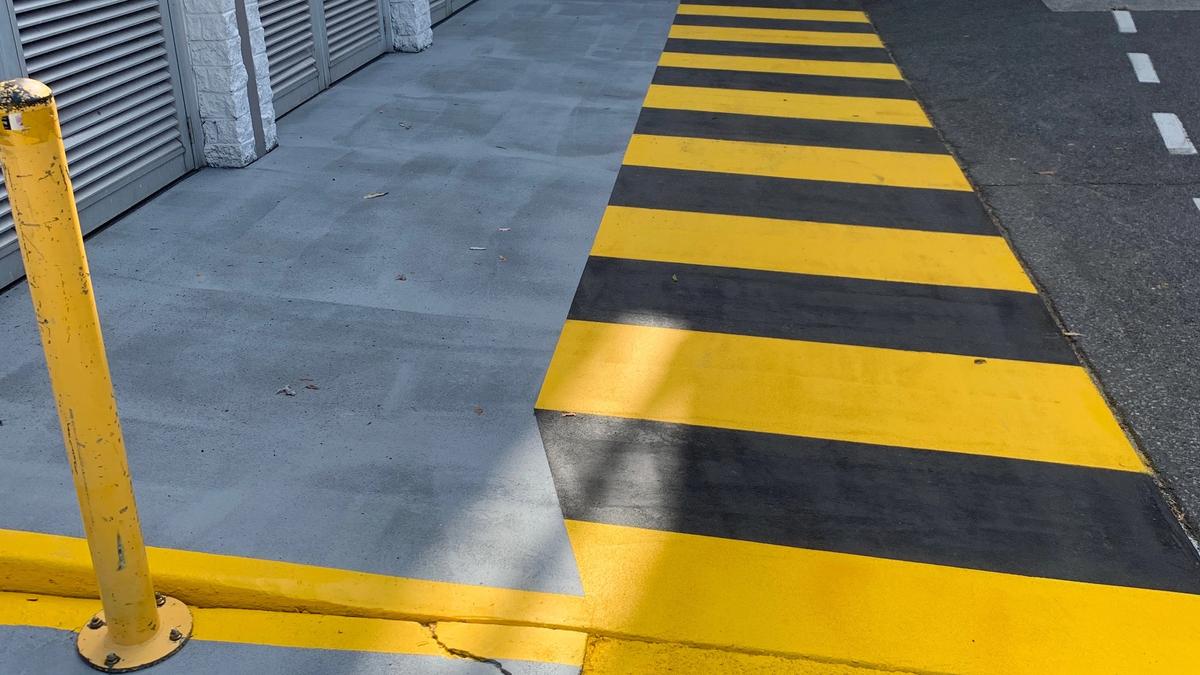
- Pedestrian crossings in high foot traffic areas
- Fire lanes and emergency access paths that must stay clear at all times
Once the key zones are mapped out, the next step is to look at how they are used. If a centre has regular traffic surges, that affects how the work should be staged. Good planning helps reduce disruption for shoppers, tenants and delivery vehicles while keeping the site functional.
This planning phase often involves working closely with facility managers and site staff to understand long-term patterns and practical concerns. People who work on or around the site every day often know where the real bottlenecks are. They can point out informal shortcuts, common gathering points or awkward drop-off areas that may need clear marking just as much as the main car park lanes.
Another part of planning is thinking through emergency access. Routes that emergency vehicles may need, or areas that can become crowded under pressure, should be particularly clear and unobstructed. A marking plan should support both daily traffic flow and safe access across the site.
Choosing the Right Surface Preparation and Coating
Nearly all shopping centre markings go onto asphalt or concrete. Each surface behaves differently. Concrete often needs more preparation beforehand to help coatings bond properly. Asphalt can wear differently under repeated traffic movement, especially in areas with constant turning or braking.
Choosing the right coating matters. Some areas need a straightforward marking solution, while others may need a more durable finish because of heavier traffic or repeated wear. The right choice depends on how the area is used, the surface condition and the level of durability needed.
Fast-curing coatings can help reduce how long sections stay out of use. Non-slip finishes can make walkways safer, especially in areas where foot traffic increases suddenly. In loading zones, surface grip can also help workers moving trolleys or equipment.
Project planning also needs to consider the surface condition at the time of application. A well-prepared, stable surface helps protect the finished result and improves how long the markings remain clear.
Why Surface Preparation Is Just as Important as the Coating
Even the best coating will not hold if the surface underneath is not ready. A build-up of dust, oil or old line markings can weaken the bond and shorten the life of new markings.
To get things right, pressure cleaning is often the starting point. It clears surface dirt and stubborn grime. If faded lines or outdated markings need to be moved, grinding can remove them cleanly without damaging the surface below. Thorough cleaning and accurate removal of old markings help prevent new lines from being confused with older ones, keeping the finished layout neat and easy to understand.
Surface preparation should also include checking for areas that may need extra attention, such as cracks, damaged patches or sections where residue remains after cleaning. A clean, sound surface provides a better base for sharp, long-lasting markings.
Keeping Markings Clear and Safe Over Time
Line marking is not a once-only task. With so much movement in and out of shopping centres, markings naturally wear down over time.
To avoid losing visibility in important zones like pedestrian walkways or reserved parking bays, it helps to plan ahead. High-traffic areas should be reviewed regularly. That way, if anything has faded or become hard to see, it can be refreshed before it causes confusion or safety concerns.
Markings do not need to look brand new at all times, but they do need to stay clear and readable. By adding inspections to other centre maintenance tasks, such as pressure cleaning or minor repairs, it becomes easier to address paint wear before it turns into a bigger issue.
Fading lines can mean more than a messy appearance. In loading docks or along access lanes used by delivery vehicles, poorly visible markings can lead to mistakes or near misses. Ongoing maintenance and regular review of traffic flow can help keep people moving smoothly and safely. Some centres assign responsibility for monitoring line condition so touch-ups can be planned early and maintenance records stay organised.
Real Results From Smart Line Marking
When line marking is done well, it is not something most people consciously notice. But it shapes how visitors experience the centre, how deliveries move in and out and how safety checks stand up under review.
Good planning makes a real difference. Updating faded zones, refreshing key markings and working in step with how each centre operates helps keep things running steadily.
Shoppers find parking more easily. Workers stay safer in busy loading areas. Facility managers spend less time solving avoidable problems. Clear traffic lanes, pedestrian crossings and safety bays also make it easier to maintain a site that feels organised and easy to use.
When line marking is planned properly, even busy shopping centres can move more smoothly. Coordinated colour choices, reflective markings where needed and careful attention to layout all add up to a better experience across the site.
At Angle Linemarking QLD, we know how important it is to keep shopping centre layouts safe, clear, and easy to use. From car park bays to pedestrian paths, having sharp lines in the right places helps everything run better. If you're planning updates or setting up a new site, we can take care of all your commercial line marking needs while working around your schedule. Our approach suits Queensland’s weather and keeps your high-traffic areas looking sharp. Give us a call if you'd like help planning your next marking project.