
Creating School Playground Marking Plans for Principals
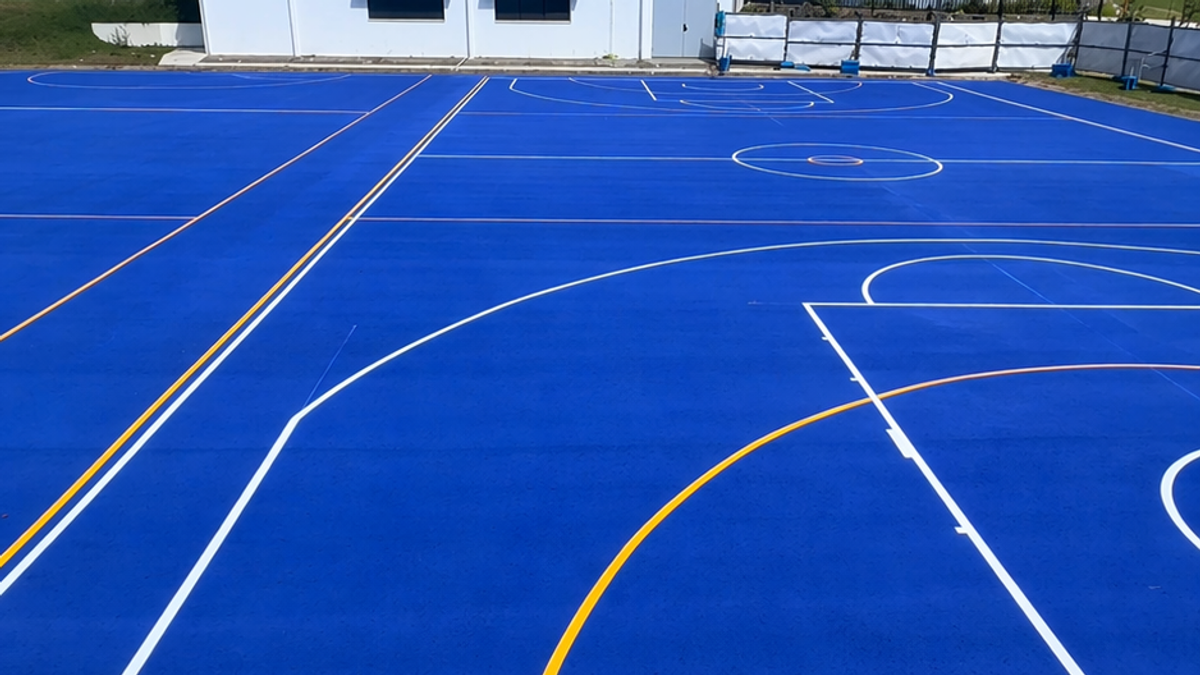
Smarter Playground Marking Plans for Logan Schools
School leaders in Logan are being asked to do a lot with outdoor spaces. You are balancing safety, wellbeing, learning goals and practical site constraints, often with older surfaces and limited room to work with. A smart playground marking plan can take what you already have and turn it into something safer and more engaging without the need for major building works.
Thoughtful school playground marking can support learning, reduce playground issues and help staff manage busy breaks.
Linking Playground Markings to Learning and Behaviour
Playground markings do much more than decorate concrete. When they are planned well, they can quietly support the curriculum and the way students move through the day.
For learning outcomes, markings can be used as outdoor classrooms. For example, schools can add numeracy grids for skip counting and simple equations, alphabet trails for phonics games and early literacy, and maps or compass roses to support geography and HASS activities. Athletics lanes and court markings that match HPE lessons also help connect outdoor spaces to classroom programs. These give teachers useful tools for quick, active lessons outside the classroom and support students who learn better when they can move and see concepts on a larger scale.
Clear, durable markings also shape behaviour by making play expectations more predictable. Predictable play zones can mean fewer arguments over who is playing where, less crowding in one corner of the playground and a lower risk of minor bumps and trips during high-energy play. Simple visual cues like queue lines, waiting spots and safe walking paths give duty staff extra support because, instead of constant verbal reminders, the ground itself shows where to stand, line up or walk. In busy school playgrounds, this can make supervision feel calmer and more consistent.
Assessing Your Existing Logan School Play Areas
Before planning new playground markings, it helps to take an honest look at what is already on the ground. A short, focused audit can be done during a normal school week.
A practical approach is to walk the site with a small group, for example:
- Principal or deputy
- HPE teacher
- Grounds or facilities staff
Together, look at current linework and any large blank surfaces. Common issues on older campuses often include:
- Faded courts where lines are hard to see
- Sports markings that no longer match current game rules
- Old games that overlap walkways or new buildings
- Confusing sets of lines layered over each other
- Leftover marking material creating small trip points
It is also worth asking students and staff which areas feel unsafe, underused or always crowded. A quick survey or a chat during a staff meeting can highlight corners that are always empty because there is little to do, spots where younger and older students clash, and areas where students tend to run through busy walkways. All of this feeds into a more accurate playground marking plan that suits how your school actually runs each day.
Designing a Marking Plan That Fits Your Logan Campus
Once you know what is working and what is not, the next step is to map your site and divide it into clear zones. A simple printed map or digital plan of the school is enough to start.
You might look at zones such as:
- Sport and high-energy play
- Quiet or seated play
- Creative and imaginative play
- Movement corridors and walkways
On this map, you can sketch where different markings could go. Early years areas might suit sensory trails, simple shapes, animal tracks and colour paths, while primary years can often use number lines, hopscotch, four square and fitness circuits. For upper grades, multi-sport courts and training markings that match HPE can be a better fit.
It also helps to think through the practical details that affect day-to-day use. Consider colours that show clear boundaries and help with wayfinding, games that include different abilities and confidence levels, and where markings will be used most often. It is also important to note drainage and low spots where water may collect, as well as how students, carers and buses move through drop-off and pick-up zones. Good playground marking plans respect what is already working on your site while gently guiding safer and smoother movement across the day.
Safety, Compliance and Budget Planning
Safety and compliance sit underneath every marking decision. The focus is not only how the surface looks on day one, but how it performs across busy school weeks.
Key factors to keep in mind include:
- Slip resistance suitable for running games and sport
- Strong line visibility during everyday use
- Clear, accessible paths that support all students and visitors
- Markings that line up with relevant Queensland guidelines and standards
Budget planning is just as important, especially when schools are balancing multiple priorities at once. Many principals find it easier to stage upgrades, prioritise high-impact zones such as main play areas and key walkways, and group similar works together, like all courts or all early years areas.
Planning ahead gives you time to lock in contractors, approvals and any surface repairs so markings can be applied to a properly prepared surface.
Working With Local Line Marking Specialists
A local line marking team that understands Logan schools can make the whole process smoother. Local knowledge of common surface types and school operations helps avoid common headaches.
When working with a professional, principals can usually expect:
- An on-site visit to walk through your specific needs
- Practical recommendations based on your surfaces and age groups
- Advice on any surface preparation needed before marking
- A clear scope that matches your site priorities
Quality materials and smart layouts also pay off over time. Thoughtful designs are easier for grounds staff to clean and care for, leave space for future additions or changes in programs, and cope better with heavy daily foot traffic. This kind of planning helps your playground grow with your enrolment, not against it.
Turning Your Playground Plan Into Action
Once you have a clear idea of what you want, it is helpful to keep the process simple and step by step. A practical checklist might look like this:
- Complete a site audit with key staff
- Note safety issues, worn areas and blank spaces
- Map out zones for sport, quiet play and movement
- Prioritise which areas matter most for the next stage
- Confirm available budget and any staged approach
- Talk with staff about how markings can support behaviour plans
- Engage a specialist to finalise designs and schedule the works
We see how a clear, well-planned approach can transform everyday concrete into safe, organised and engaging spaces. When school playground marking is planned with learning, behaviour and future growth in mind, it becomes a quiet partner in the way your whole campus feels and functions.
Get Started With Your Project Today
If you are looking for safe, engaging and long-lasting school playground markings across Brisbane, Ipswich, Gold Coast & The Tweed, we can help you plan the right layout for your students and space. At Angle Linemarking QLD, we work closely with schools to deliver markings that support active play and clear guidance. Talk with our team about your timelines and ideas, and we will provide practical options that fit your budget. To book a site visit or request a quote, simply contact us today.