
Designing Safe School Zones with Line Marking in Brisbane
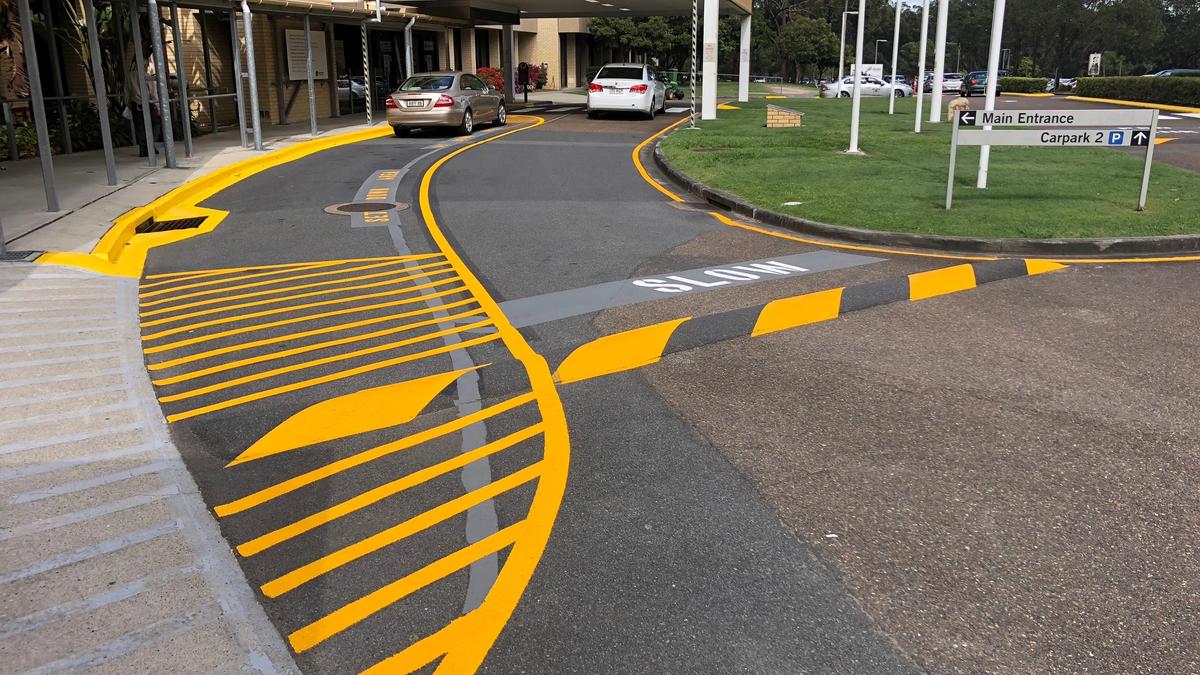
Designing Safer School Zones With Clear Planning
Safe school zones do not happen by accident. They are planned, marked and checked so drivers, children and staff all know where to be and what to do.
Clear, fresh line marking is essential because it helps remove guesswork in busy areas where vehicles and pedestrians mix.
Well-planned school zone line marking helps to:
- Slow drivers before they reach the school gate
- Separate people walking, riding and driving
- Reduce confusion at busy drop-off and pick-up periods
We work on line marking in Brisbane and surrounding regions across primary schools, high schools and childcare centres. That local experience helps us see what works on real streets, not just on paper.
What Makes a Safe School Zone Layout Work
A safe school zone layout is like a simple map that tells everyone where to go. When the layout is clear, drivers have more time to notice children, adjust speed and make safer choices.
Key parts of a good school zone usually include:
- Reduced speed areas near the entrance
- Clear pedestrian crossings where students actually walk
- Set-down and pick-up bays that keep traffic moving
- Marked bus zones away from regular cars
- Staff and visitor parking that does not clash with the main drop-off area
Good planning looks at sightlines first. If a driver cannot see a crossing early enough, the markings need to change or the crossing may need to move. Corners, trees, parked cars and fencing can all block views, so line marking has to allow extra stopping room where visibility is tighter.
Turning movements also matter. Right turns across traffic, tight car park entries and U-turn spots can create conflict if arrows and lines are not clear. We think about:
- Where cars naturally want to turn
- Where children naturally want to cross
- |How to separate those movements with lines, islands and symbols
Pedestrian desire lines, which simply means the paths people prefer to walk, are just as important as vehicle flow. If children are ignoring a marked crossing and taking a shorter route, that is a sign the layout is not matching real behaviour.
All of this needs to fit with local council rules and Queensland school zone standards. Compliant line marking is easier for drivers to understand because it matches what they see across other sites, from speed numbers on the road to standard crossing markings.
Using Smart Line Marking in Brisbane School Zones
Not all paint is the same. For line marking in Brisbane school zones, visibility and durability need to work together.
High-visibility paints and reflective glass beads can help lines stand out in:
- Lower-light conditions
- Overcast conditions
- Shaded areas near buildings and trees
Glass beads in the surface help markings remain easier to see when visibility is reduced. That means drivers are more likely to notice school zone speeds and crossings in time.
Coloured surface treatments are another strong tool. For example:
- Green for bike lanes along the school frontage
- Red or other bold colours for safety zones or shared spaces
- Highlighted areas near crossings and entry points
Colour helps separate people walking, riding and driving without needing lots of extra signs. It is quick for the eye to read, even from a distance.
Local site conditions matter as well. School zone markings need to cope with constant vehicle wear and regular use. Choosing products and methods that stand up to that demand reduces how often repainting is needed and keeps the layout clearer between maintenance cycles.
Managing Drop-Off, Pick-Up and Car Parks Safely
Drop-off and pick-up times are when most school zones feel the most pressure. A well-marked layout can turn what might be daily chaos into a smoother routine.
A good kiss-and-ride area will usually have:
- Clear entry and exit arrows on the road
- No parking zones along the flow lane
- Marked turning bays so cars can leave safely
- Waiting areas that do not block the street
When drivers know exactly where they can stop, how long they can wait and which way to exit, there is less sudden braking and fewer risky U-turns near children.
Car parks need just as much care. Thoughtful line marking can:
- Set out accessible bays near safe walkways
- Separate staff-only areas from parent parking
- Create clear pedestrian paths between cars and the school gate
Simple pavement symbols like wheelchair icons, arrows and walking figures guide both drivers and pedestrians without needing large instructions each day.
Signage and pavement markings work best when they support each other. If a sign says bus zone, the road surface should support it with clear wording, a marked box or a coloured area. When time limits, no-stopping areas and bus-only zones are painted on the road as well as signed, drivers usually make better and faster decisions.
Upgrading Older School Zones for Today’s Needs
Many older Brisbane and regional school zones were set out when traffic patterns and vehicle numbers were very different. Over time, markings fade, new buildings go up and the way families use the site can change.
Common issues we see include:
- Faded or patchy markings that are hard to read
- Worn crossings with missing bars and edges
- Confusing layouts after years of small changes
- Zones that no longer fit current rules or best practice
Bringing these areas up to standard is often a mix of line removal, remarking and pressure cleaning. Removing old or conflicting lines is just as important as painting new ones. If a driver sees three different arrows pointing in different directions, the clearest one may still lose.
Pressure cleaning before remarking:
- Removes dirt, oil and rubber build-up
- Helps new paint bond better
- Improves grip for both tyres and shoes
Fresh crossings, numbers and arrows stand out sharply and make it easier for drivers to do the right thing without having to think too hard.
Periodic safety audits are a smart habit, especially when site activity increases or traffic conditions change. A simple review can pick up small problems before they turn into bigger risks. From there, a tailored maintenance plan keeps key markings fresh on a regular cycle instead of waiting until everything has faded at once.
Partner With Local Experts for Your Next Upgrade
For principals, P&C committees and facility managers, school zone safety is always on the list. It is worth walking the site, looking at the markings with fresh eyes and noticing anything that feels confusing, worn or crowded.
Angle Linemarking QLD works across South East Queensland and Northern NSW on school, industrial, commercial, government and residential sites. For school zones, we can review layouts, suggest practical improvements and plan works that help reduce disruption to site use. A clear, well-marked school zone helps everyone start and end the day with less stress and greater safety.
Get Started With Your Project Today
If you need reliable line marking in Brisbane, we can help you plan and complete your project efficiently and to local standards. At Angle Linemarking QLD, we work with you to understand your site, traffic flow and safety requirements so the finished result is clear, durable and compliant. To discuss your timeline, request a quote or book in a site visit, simply contact us and we will get back to you promptly.