
Gold Coast Forklift Lane Marking Audit: Checklist for Intersections
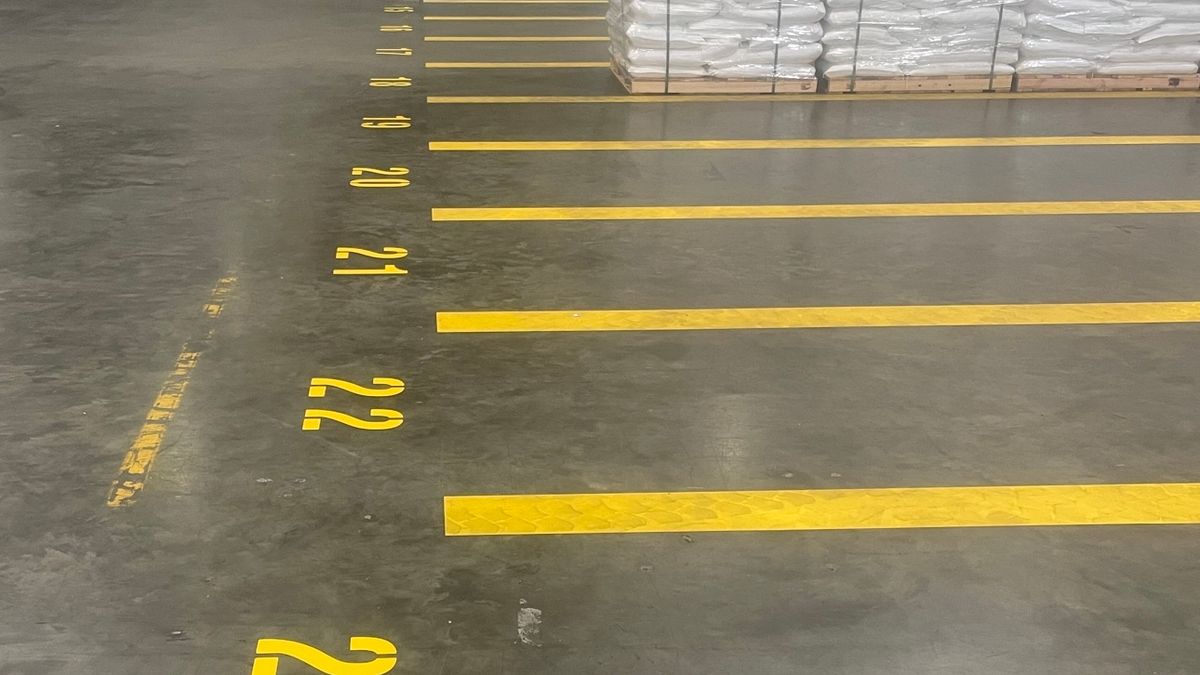
Cut Warehouse Chaos With a Forklift Lane Audit
Forklifts, pedestrians and delivery trucks sharing the same floor space is normal in many warehouses and logistics hubs. Problems start when lane markings fade, arrows conflict or crossings are unclear. That is when near misses increase, people slow down because they are unsure and Work Health and Safety duties come under pressure.
A simple forklift lane audit helps bring order back to the floor. When you walk your site with a clear checklist, you can spot risky intersections, missing markings and confusing one-way routes before they turn into incidents. You can run this audit in-house, then work with a specialist to fine-tune the layout and refresh the markings.
The goal is not a one-off paint-and-forget project. A good checklist supports ongoing safety, so you can keep your forklift traffic plan current, clear and compliant as your warehouse, factory or distribution centre changes over time.
Mapping Every Forklift Intersection and Conflict Point
Step one is to map where people, forklifts and vehicles cross paths. These are your conflict points, and they deserve the most attention.
Walk your site and mark on a simple plan where you see:
- Blind corners
- Ends of racking and drive-through bays
- Loading docks and staging areas
- Doorways, roller doors and gates
- Cross aisles and meeting points between zones
At each point, check:
- Is there a clearly marked forklift lane with a consistent colour and width?
- Is there a stop line or hold line where drivers need to pause?
- Are give-way markings and arrows clear and not competing with each other?
- Is there matching signage or floor symbols that warn about pedestrians?
Common trouble areas include faded lines that blend into the floor, different colours used in different sections or temporary markings that have become permanent but no longer fit the traffic plan. People may also start using shortcuts that cut across lanes, which gradually weakens the whole system.
Update or sketch a traffic management diagram that matches what is actually on the floor today. If your painted layout and printed plan do not match, operators and new staff are more likely to follow whatever feels easiest in the moment rather than what is safest.
Making Pedestrian Crossings Impossible to Ignore
Pedestrian crossings are where forklift risk feels most immediate. Staff are often heading to amenities, offices or break areas, and their attention may not be on traffic. Crossings need to stand out early so both pedestrians and drivers have time to react.
Use your audit to walk every marked pedestrian area and ask:
- Do walkways run continuously from door to door, or do they suddenly stop in traffic zones?
- Are crossings kept clear of pallets, bins and product?
- Does any crossing lead straight into a blind forklift area or tight turning space?
- Do people naturally follow the marked routes, or do they cut corners?
Check visibility too. There should be strong contrast between the floor colour and the crossing stripes or borders. Zebra-style markings or bold borders should still read clearly as a crossing, not a faint pattern. Where you have handrails, bollards or barriers, do they connect properly to the painted walkways, or do they leave gaps that people can step through?
Good forklift lane marking ties all of this together. Forklift routes, walkways and crossings should look like one simple system from above, not a collection of separate pieces. When someone new walks onto the floor, they should immediately understand where forklifts go and where people should walk.
Checking One-Way Systems Actually Work as Designed
Many sites rely on one-way systems to avoid head-on encounters between forklifts. That only works if the rules are clear and the markings match how people actually drive.
As you audit your one-way areas, look for:
- Arrow directions that are consistent from aisle to aisle
- Arrows repeated before intersections and decision points, not just once at the start
- Old or worn arrows that still show a previous direction and confuse drivers
- Text markings, such as NO ENTRY, that support the arrows where needed
Pay close attention to intersections inside one-way loops. Merges, exits near docks and turns near roller doors can easily become bottlenecks. Are give-way lines clear? Do forklifts have enough space to line up without blocking crossings or doorways?
If you can, stand back and watch traffic during a busy period. If operators frequently drive against the arrows or cut across the pattern, that is useful feedback on the layout. You may need wider aisles, different directions, clearer symbols or a full refresh so the system is both practical and obvious.
Auditing Line Quality, Durability and Housekeeping
Even the best traffic plan fails if nobody can see it. Industrial floors collect dust, tyre marks, pallet drag and residue from regular cleaning, all of which can wear down markings.
When you walk the site, focus on:
- Paint adhesion in tight turning zones and stop points
- Visibility under normal site lighting and in lower-visibility areas
- Edges of markings, checking whether they are crisp or feathered and worn
- Build-up of dust, oil or debris that hides lines and symbols
Housekeeping is a major part of safety marking. Check that floor scrubbing or pressure cleaning routines include key forklift and pedestrian areas. Old, obsolete markings should be removed properly so people are not left guessing which arrow is current.
Working with experienced forklift lane marking specialists helps with selecting coatings, colours and preparation methods that suit your specific traffic and cleaning patterns, rather than redoing the same worn areas repeatedly.
Turning Your Audit Into a Forklift Safety Action Plan
An audit only helps if it leads to clear action. Once you have notes and photos, group your findings into three lists:
- Critical safety fixes, such as missing stop lines, crossings that exit into blind spots or arrows that conflict
- Visibility upgrades, such as refreshing faded markings, improving contrast and reviewing cleaning routines
- Layout improvements, for example rethinking one-way patterns, adding crossings or adjusting lane widths
Decide who is responsible for each item and set realistic timeframes. Link your checklist to your normal WHS inspections, incident reviews and staff induction processes so it becomes part of how you run the site, not just a task you complete and forget.
A practical audit, updated regularly, makes it much easier to keep people safe, protect equipment and keep your warehouse moving without chaos.
Get Started With Your Project Today
If you are ready to improve safety and traffic flow in your facility, our team at Angle Linemarking QLD can help you plan and deliver a layout that works. Talk to us about forklift lane marking in Gold Coast tailored to your warehouse, depot or loading area. We will assess your site, recommend compliant solutions and schedule work at a time that keeps disruption to a minimum. Reach out today so we can help you create clearer, safer pathways for your people and equipment.