
Forklift Lane Marking for Gold Coast Warehouse Fit-Outs: Handover Pack
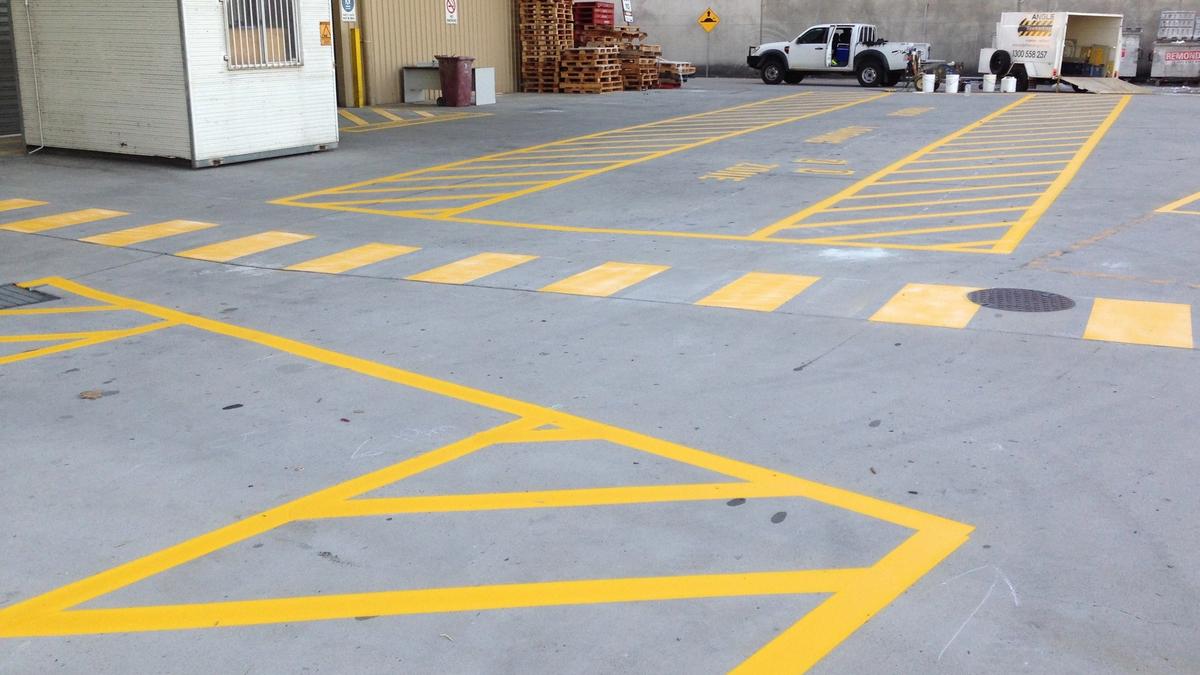
Forklift-Ready From Day One: Why Your Handover Pack Matters
Forklift lane marking in warehouses is not just about putting yellow lines on concrete. It is about how people, pallets and machines move together without getting in each other’s way. When this is rushed at the end of a fit-out, the whole site can feel unsafe and disorganised from day one.
If lane marking is treated as a last-minute job, preventable issues often follow, including near-misses at blind corners, forklifts blocking doorways and staff being unsure about right of way. Fixing those problems later usually means rework, disruption and uncertainty about who approved what. A proper handover pack helps avoid that.
Think of the handover pack as a practical guide for safe, efficient forklift operation. It brings together the as-built layout, compliance notes, a simple maintenance schedule and clear repaint triggers. With that in place, project managers, owners and tenants can see how decisions were made, understand what is on the floor and make future changes with confidence.
Planning Safe Forklift Flows Before Paint Hits the Floor
Good warehouse traffic management starts well before a single line is marked. The best time to plan forklift flows is while the fit-out is still on paper, when it is easier to adjust racking layouts, door positions and staging areas.
Key forklift movements to map early include:
- Routes from loading docks to pallet racking
- Staging zones for inbound and outbound freight
- Crossovers with pedestrian walkways
- Forklift access to cool rooms, production areas or mezzanines
- Risk points like blind corners, roller doors and column clusters
When designers, racking installers and a specialist in forklift lane marking work together, the layout is more likely to reflect how the warehouse will actually operate, not just how it looks on a plan. That means checking turning circles, pallet widths and how many forklifts may share a zone at busy times.
There are also practical design choices that affect long-term performance:
- Line widths that match forklift size and clearance needs
- Colours that clearly separate forklift lanes, pedestrian paths and no-go zones
- Arrows and symbols that are easy to read from a moving forklift
- Speed control areas and stop lines at intersections
- Clearly marked exclusion zones around plant, chargers and workstations
When these details are decided before paint hits the floor, the final layout feels practical rather than forced.
As-Built Lane Layouts That Match the Real Warehouse
Plans often change during a fit-out. Doors move, racking shifts and new staging areas appear. That is normal. What matters is that your final forklift lane layout matches the warehouse you actually hand over, not the first drawing shared months earlier.
A good as-built layout in the handover pack should include:
- A scaled plan of the full warehouse floor
- Line types and colours shown with a simple legend
- Dimensions for key lanes, crossings and buffers
- Marked intersections, doorways and loading zones
- Notes on high-risk areas, such as narrow aisles or shared forklift and pedestrian points
This record is valuable for audits, training and future changes. When new staff or contractors arrive, you are not left guessing what the lines mean. When racking is added or removed, you can see what needs to be adjusted and what risks were considered originally.
Best practice is to keep:
- A clear PDF plan for easy viewing and printing
- An editable CAD file, if available, for future design adjustments
- Version names that match warehouse zones and tenancy details
When those files are stored where both operations and safety teams can access them, updating the layout becomes a planned task rather than a rushed response.
Compliance Notes Your Safety Team Will Thank You For Using
Warehouse traffic management is not just common sense. It is also shaped by relevant standards, WHS regulations and safety guidance. Your handover pack does not need to quote every clause, but it should show how lane marking choices connect to safety and compliance.
Useful points to capture in the compliance notes include:
- Why certain lane widths and clearances were chosen
- How loading dock markings support safe reversing and loading
- The logic behind pedestrian walkways and crossings
- Locations of emergency access routes and how they are kept clear
- No-go areas, such as under suspended loads or near moving plant
These notes should tie into the site’s risk assessments. For example, where there is a known blind spot, the notes can explain why the lane angles, mirrors or stop lines are set up in a particular way.
When compliance notes are clear and simple, safety officers can:
- Show due diligence during external inspections
- Explain design decisions after an incident or near-miss
- Support internal audits and reviews without guessing intent
That saves time and helps keep everyone aligned on why the floor is marked the way it is.
Maintenance Schedules and Repaint Triggers That Prevent Guesswork
Line marking does not stay perfect forever, especially in busy warehouses with constant forklift traffic and regular cleaning. A basic maintenance schedule in the handover pack helps prevent disagreement about whether lines are still good enough or need attention.
A practical schedule might set:
- Routine visual inspections, such as monthly walk-throughs
- Deeper checks during regular site reviews
- Simple cleaning routines so markings stay visible under dust and tyre marks
Repaint triggers should be objective, not based on opinion. Helpful triggers could include:
- When a clear percentage of a line is worn away along a lane
- If arrows, symbols or words cannot be read from a normal forklift operating distance
- When drivers report confusion about routes or right of way
- Where surface damage from impacts breaks up the line pattern
Traffic intensity and cleaning methods both affect how often inspections and repainting may be needed. Sites with constant forklift movement, frequent pallet dragging or aggressive scrubbing may see markings fade faster than quieter areas. Planning for this in the handover pack helps operations teams budget and organise work more confidently.
Turning Your Warehouse Handover Into a Long-Term Safety Asset
The real value of a good handover pack is that it should grow with the warehouse, not sit in a drawer. When layouts, racking or processes change, the pack should be updated so the documented record always matches the floor.
That means:
- Updating the as-built layout with each significant change
- Adjusting compliance notes when new risks are identified
- Tweaking the maintenance schedule if wear patterns change
These documents are also useful training tools. Strong outcomes often come when the lane layout, compliance notes and maintenance plan are built into:
- New staff inductions
- Contractor briefings before work starts on site
- Regular toolbox talks and safety meetings
A clear, well-documented system from day one turns fresh paint on concrete into a long-term safety asset that supports everyone who works in and around your warehouse.
Get Started With Your Project Today
If you are ready to improve safety, traffic flow and compliance in your facility, we can help you plan and deliver a tailored solution. At Angle Linemarking QLD, our experienced team provides precise forklift lane marking in Gold Coast that suits your site layout and operational needs. We work around your schedule to minimise disruption and keep your warehouse or depot running smoothly. Reach out today so we can discuss your site, answer your questions and provide a clear quote.