
Inside Warehouse Safety Lines in Tweed: Forklift Lane Marking Priorities
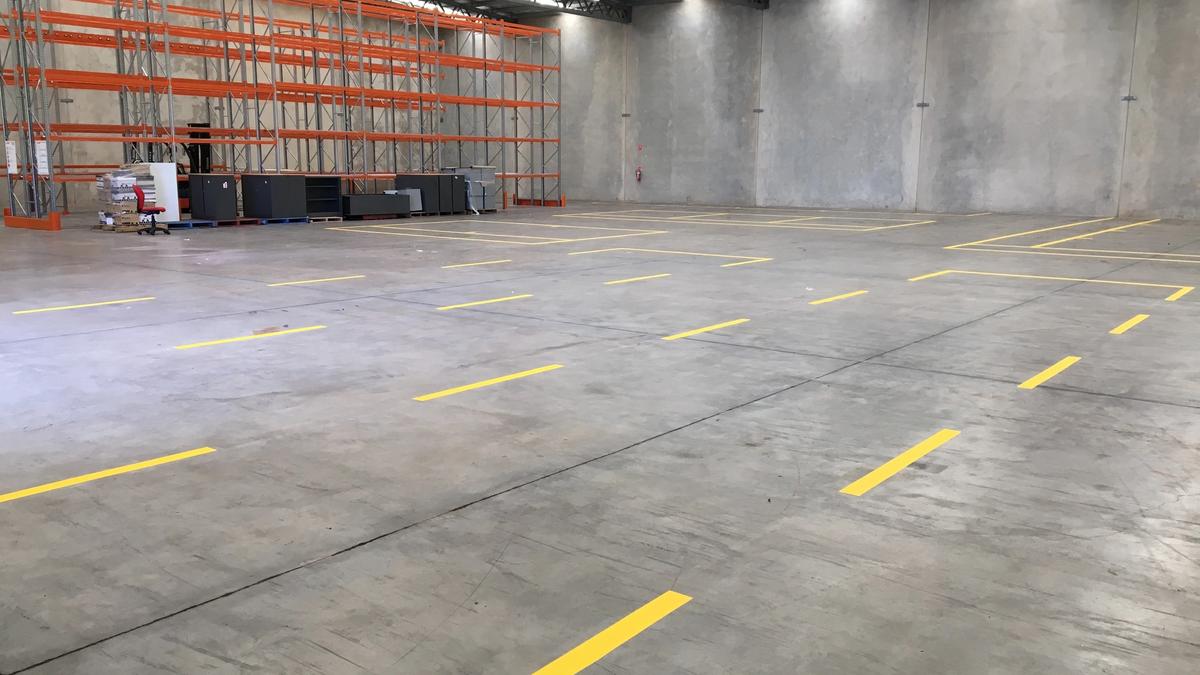
Warehouse Safety Lines in Tweed: Forklift Lane Marking Priorities
Clear forklift lanes are the backbone of a safe and efficient warehouse. When floor markings are easy to see and easy to follow, drivers, pickers and visitors all know exactly where they should and should not be. That means fewer close calls, less product damage and less stress on busy days.
In Tweed warehouses, good warehouse safety lines are also part of meeting work health and safety duties. They support site inductions, help with contractor management and sit alongside policies like speed limits and loading rules. This article walks through how to plan, mark and maintain forklift lanes so your site operates more smoothly and stays safer for everyone.
Why Clear Forklift Lanes Matter in Tweed Warehouses
Forklifts and people do not mix well when there is guesswork. Tight aisles, busy loading docks and shared spaces can quickly become risky if lanes are unclear or partly missing. With well-planned forklift lanes, drivers know their path, pedestrians know where to walk and managers can be more confident that traffic is under control.
Good warehouse safety lines in Tweed can support:
- Lower risk of collisions, near misses and product damage
- Clearer separation between forklifts and pedestrian zones
- Safer access for visitors, contractors and delivery drivers
Clear markings also sit alongside your WHS obligations. They help show that you have considered traffic risks, put controls in place and built safety into day-to-day work. That can support safer site inductions and may help when insurers review how your site is managed.
There are operational benefits as well. Well-marked forklift lanes help traffic flow more smoothly, reduce bottlenecks at busy intersections and can improve picking and put-away efficiency. When people are not second guessing who has right of way, work feels calmer and more organised.
Mapping Your Warehouse Traffic Safely
Before any paint goes on the concrete, it pays to map how your warehouse actually runs. Every site is different, even across Tweed industrial areas, and the right layout begins with observing what is really happening.
Key things to look for include:
- Main forklift routes between receiving, racking and dispatch
- High-congestion spots like dock doors, staging areas and packing benches
- Blind corners made worse by racking, columns or stacked pallets
- Shared spaces where pedestrians and forklifts cross paths
From there, the aim is to separate people and machines as much as reasonably possible. Good practice is to:
- Create dedicated pedestrian walkways with clear colour and symbols
- Mark forklift travel lanes and loading zones so they are not left to guesswork
- Limit crossing points and make each crossing obvious and controlled
It is also smart to think ahead. Warehouses rarely stay the same for long. When planning layouts, allow space for:
- Extra racking rows or higher storage
- New types of equipment like reach trucks or order pickers
- Changed workflows, such as more online orders or different product lines
Building some flexibility into the design means your warehouse safety lines in Tweed can adapt without needing a total rework every time the business changes.
Forklift Lane Marking Essentials That Work
Once the traffic plan is clear, lane design becomes much easier. The aim is to make driving feel natural and safe, not cramped and stressful.
Some basics that usually work well:
- Lanes wide enough for the largest forklift plus a safe margin
- Extra room at corners so drivers are not cutting into pedestrian space
- Buffer zones around racking ends, loading docks and roller doors
Colour coding helps everyone understand the floor at a glance. While each site can choose its own system, a common approach is:
- One colour for forklift routes and travel lanes
- A different colour for pedestrian paths and walkways
- A strong warning colour for no-go or keep-clear zones
- A clear colour for emergency exits and accessways
In busy Tweed warehouses, floor coatings also need to handle real-world conditions like heavy loads, pallet jacks, frequent turning and regular cleaning. When choosing products and methods, it helps to think about:
- Traffic levels and turning hot spots
- Exposure to oils, fuels or cleaning chemicals
- How often floors are scrubbed or pressure cleaned
The right materials and preparation help lines stay sharp and visible under ongoing heavy use.
Integrating Signs, Symbols and Safety Messages
Floor lines do a lot, but they should not work alone. Effective warehouse traffic systems bring together markings, signs and physical barriers so the message stays consistent from every angle.
A strong setup might include:
- Floor lines that match wall and post-mounted signs
- Bollards and guard rails to protect racking and walkways
- Mirrors at blind corners so drivers can see what is coming
- Barriers or gates at high-risk crossings
Symbols and short messages painted on the floor can give instant clarity, such as:
- Forklift symbols at crossings and shared zones
- Arrows for one-way systems and turning rules
- Speed limit reminders in busy areas
- Wording like “Pedestrians Only” or “Forklifts Give Way”
Visibility is key. High-contrast colours, smart placement away from constant wheel scrubbing and reflective elements where needed can help people see markings clearly around tall racking and busy work areas. The aim is clear guidance, even when someone is on site for the first time.
Keeping Warehouse Lines Clear and Compliant
Even the best line marking will not look after itself. Forklift tyres, pallet drag, spills and layout changes slowly wear away at your plan. A simple routine helps keep things safe and avoids unpleasant surprises during audits or inspections.
A practical checklist might cover:
- Regular walk-throughs to spot faded or damaged lines
- Close checks at intersections, doorways and staging areas
- Watching for markings hidden by stock, bins or equipment
Common issues include:
- Heavy wear where forklifts turn sharply or brake often
- Lines obscured by dust, oil or product spills
- Old markings still partly visible after layout changes
When something changes on the warehouse floor, the markings should follow quickly. That can mean removing old lines properly, cleaning the surface and repainting so there is only one clear message. Involving workers and supervisors in this process is useful. They:
- Notice hazards early because they use the space daily
- Can suggest changes that improve both safety and workflow
- Help build a culture where clear, visible lines are part of how the site operates
When everyone treats warehouse safety lines in Tweed as standard safety equipment, not just paint, the whole site benefits.
Get Started With Your Project Today
If you are ready to improve visibility, traffic flow and safety in your facility, we can help you plan and install clear, durable warehouse safety lines in Tweed tailored to your site. At Angle Linemarking QLD, we work around your operations to minimise downtime while keeping your WHS obligations front of mind. Get in touch with our team to discuss your warehouse layout, timing and budget so we can provide a straightforward quote and practical recommendations.