
How Speed Humps Help Slow Down Traffic in Busy Areas
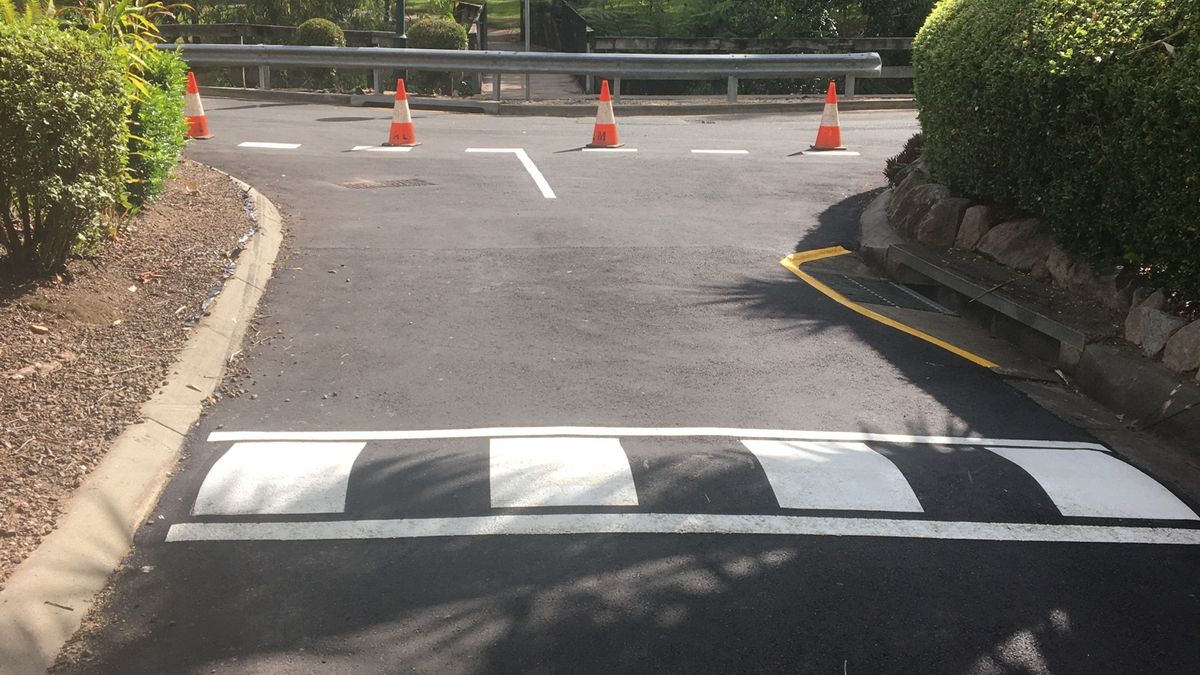
Speed humps are one of those simple fixes that make a big difference. They’re all about slowing things down where it matters most. In busy spots like school drop-offs, shopping centre car parks, hospital grounds, or warehouse loading areas, people and vehicles are often moving through the same space and that brings risk. Speed humps help by forcing drivers to slow to a safer pace without needing warning signs or constant reminders.
This type of traffic calming matters more in a place like Queensland, where activity often ramps up in spring. Warmer weather means more people out and about. It also means more movement on job sites, in car parks, and around busy precincts. That’s why now’s a smart time to look at how your space manages vehicle speeds. Whether you're overseeing an industrial loop road or a public path crossing, adding physical reminders like speed humps can help keep people safe.
Why Slowing Traffic Matters in Shared Zones
Busy shared zones have a lot going on. You’ve got people walking to shops, workers pushing trolleys, delivery trucks backing in, and drivers looking for a quick exit. In these mixed-use areas, fast driving doesn’t just feel unsafe—it is.
Speed limits and painted warnings can help, but when drivers are distracted or in a rush, those markers sometimes fade into the background. That’s when risk creeps in. Cars moving too fast through tight spaces make it harder for drivers to stop in time or see a pedestrian stepping out between parked vehicles. And pedestrians might not always expect a car to be moving quickly through a space they see as foot-friendly.
Spring only adds to the pressure. Longer days and warmer weather bring more foot traffic and more vehicles on the move. Schools have extra programs. Shopping centres pull bigger crowds. Outdoor work picks up. So the traffic mix thickens, and if nothing is done to help create order, small gaps in attention can lead to serious problems.
The best approach isn’t always about adding more rules. It’s about designing spaces that naturally slow people down and help them make better choices.
How Speed Humps Change Driver Behaviour
Speed humps work because they require action. A driver can ignore a sign, but they can’t drive over a raised bump at high speed without feeling it and probably spilling their coffee. That moment of discomfort is often enough to slow someone down naturally, which is exactly the point.
In Queensland, we see a few different types of humps in use. The wider, more gradual ones tend to calm traffic in places like school car parks or wider campus roads. They let drivers keep rolling without coming to a full stop, but still control the pace. Sharper humps, sometimes called speed bumps, create a quick jolt that slows everything right down. They’re useful in spots where speeds need to be at walking pace, like loading docks or tight warehouse zones.
Speed humps are especially helpful in locations that see frequent pedestrian activity—places where people aren’t always looking out for cars. At a busy retail centre crossing, or in a staff car park with tight corners, they act as a physical warning line. They let everyone know to stay sharp and steady.
Angle Linemarking installs standard and custom-shaped speed humps from highly visible, durable materials that are designed for both on-road and off-street sites.
Matching Speed Humps to the Site
Every job site, car park, or public space is different. That’s why speed humps aren’t one-size-fits-all. Where they go, how big they are, and what they’re made from should all match the space they’re in.
If you’ve got a quiet drive-through retail car park with low-speed traffic, a wider hump might be enough. It slows drivers without annoying them. But for loading zones with forklifts, or laneways where pedestrians have to cross, a sharper hump might be better just to make sure vehicles slow right down.
Surface type counts too. A solid concrete base might hold a permanent hump in place, while asphalt may need more prep. Then there’s Queensland’s weather to consider. Spring and summer bring heat, storms, and high UV, so materials need to be built to last. The wrong choice can start to crack, lift, or fade fast, and that just leads to repairs or replacements sooner than you'd like.
To get the best result, it helps to look at the whole setup—how people move, what times it gets busy, and how the seasons play into that pattern. On both bitumen and concrete, Angle Linemarking uses abrasion-resistant materials with strong anchoring to keep speed humps stable through Queensland’s weather swings.
Planning and Maintenance Tips for Busy Periods
With warmer weather and busier roads on the way, now’s a good time to double-check how your space manages speed. Traffic peaks during school holidays, December events, and spring building rosters. If the site isn’t ready, things can get messy fast.
Speed humps do their job best when they’re part of a bigger plan. That means clear line marking, arrows to guide traffic flow, and zones marked off for loading or pedestrian use. A bright yellow hump with worn-out paint nearby only tells half the story. People notice the full picture, and when that looks clear and well thought out, they tend to follow the rules more easily.
It’s worth doing a walk-through of your site in early spring. Look for worn markings, cracks in the pavement, or areas where people always seem to rush. That’s where physical controls like humps can help. But don’t leave installs too late—October and November fill up quickly, and trying to squeeze projects into the pre-holiday crunch rarely ends well.
A bit of seasonal planning now can save headaches later.
Safer Spaces Start with Slower Speeds
Speed humps might be small, but they play a big role in slowing things down where it counts. They take the guesswork out of traffic control in shared spaces, helping drivers move safely without needing constant reminders.
When used well, they create calm. They give pedestrians more breathing room and help drivers stay alert in tight spots. Whether it’s the local school, a hospital loop road, or a retail store loading bay, adding a few well-placed humps can change the feel of the space entirely.
For sites across Queensland heading into a busy summer, now’s the time to take stock. If you manage a space where vehicles and people cross paths, think about how you’re managing that mix. A slower space is often a safer one, and sometimes, that starts with something as simple as a hump in the road.
A safer layout doesn't have to be complicated. When shared spaces feel clear and controlled, people naturally move with more care and confidence. Adding physical features like speed humps can help guide safer behaviour without the need for extra signs or supervision. At Angle Linemarking, we’re ready to help make that happen across your site. Contact us to get your space ready for the season ahead.