
How to Keep Queensland Warehouse Line Marking Safe and Compliant
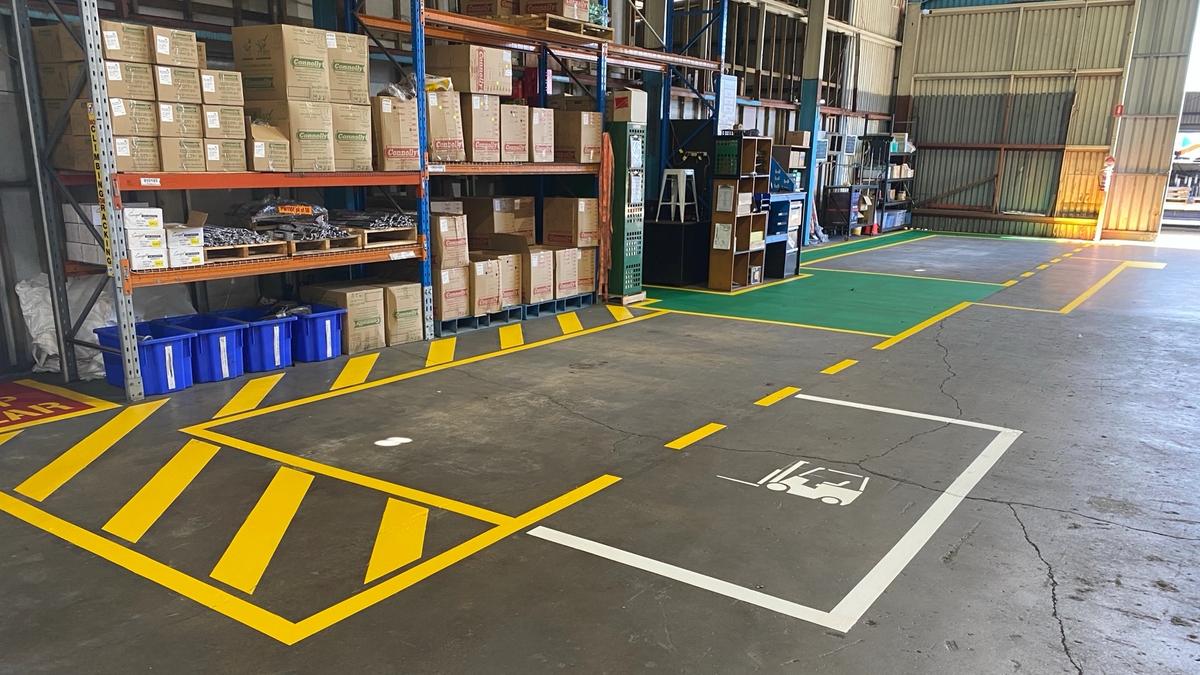
Warehouse line marking might look simple, but a lot depends on getting it right. Every mark, arrow and zone helps shape how people and vehicles move through an industrial site. In busy locations across Queensland, compliance is more than ticking a box. It is about helping people stay safe and keeping operations moving without unnecessary bottlenecks.
That is where industrial line marking becomes a key part of the setup. The right markings help everyone understand the space at a glance. When they are done properly, things work more smoothly. But when they are unclear, faded or poorly planned, operations slow down, safety risks increase and problems can appear during inspections. That is why it is important to understand what it really takes to keep warehouse markings compliant in Queensland.
Understanding Warehouse Requirements in Queensland
Warehouses have a wide mix of moving parts. From forklifts to foot traffic, activity rarely stops. Line marking helps make sense of all that movement by setting clear paths and zones that keep people and equipment separated where needed.
Queensland workplaces follow strict safety expectations. This includes having visible walkways, marked loading zones and emergency routes that are always clear. Faded or poorly placed markings can create confusion or make it harder for people to know where they are supposed to be.
Materials and Techniques That Meet the Standard
The material used is just as important as where the markings go. The surface should always be assessed first. If it is dirty, paint will not bond properly. That can lead to peeling lines that are not just frustrating but also unsafe. To keep things compliant, the base needs to be cleaned, dried and, in some cases, prepared further before any paint is applied.
There is often prep work involved that people do not think about. Old markings may need to be removed. Surfaces may need pressure cleaning and enough time to dry. Only then can markings be applied that actually last, look sharp and support safety expectations.
Who Is Responsible for Getting It Right
It is easy to assume that keeping line markings in shape is someone else’s job, but safety is everyone’s responsibility. Whether it is the site manager, a logistics partner or a body corporate managing several units in the same warehouse, all relevant parties share a duty to help keep the space functional and compliant.
Warehouse settings change all the time. New equipment comes in. Storage setups are updated. A path that worked last year may now feel like a shortcut through a maze. This is where regular reviews help. It does not have to mean a formal audit every time. Simply walking the site with fresh eyes can show where markings are starting to break down.
If something feels off or people keep running into the same issues, such as forklifts cutting corners near pedestrian zones, it is the right time to revisit the layout. All it takes is one missed sign or unreadable line, and the flow of the entire space can be affected.
When to Update or Rethink Your Markings
Not every update needs to be major. But ignoring markings that are no longer helping does carry risk.
Here are some reasons to start planning an update:
- The layout has changed because of a new storage plan or workflow
- Accident reports increase or near misses are becoming more common
- Markings are hard to see or no longer match how the space is used
Repainting or layout changes might not feel urgent today, but planning them early can help avoid reactive fixes later. A small update now can prevent bigger problems when delays or downtime become harder to manage.
Keeping Warehouses Safe and Easy to Navigate
Good warehouse markings do more than follow the rules. They help people move with confidence, reduce guesswork and keep daily activity running more smoothly. When lines, zones and walkways make sense, the whole space becomes easier to work in.
Keeping up with compliance does not mean constant change. It means paying attention to where friction shows up and fixing it before it grows. With clean, clear markings that match the way the space is used, warehouses across Queensland can stay safe and steady.
When your warehouse setup is shifting or your markings just aren’t doing the job, we are here to help keep things on track. We have seen how clear, accurate markings can shape safer, smoother traffic flow across demanding sites. Our experience with industrial line marking in Queensland means we understand how to match your floor layout to real-world activity. Let’s ensure your warehouse layout works as hard as the people in it. Reach out to Angle Linemarking QLD to start a conversation.