Line Marking Tips for Managing Shared Sports Courts
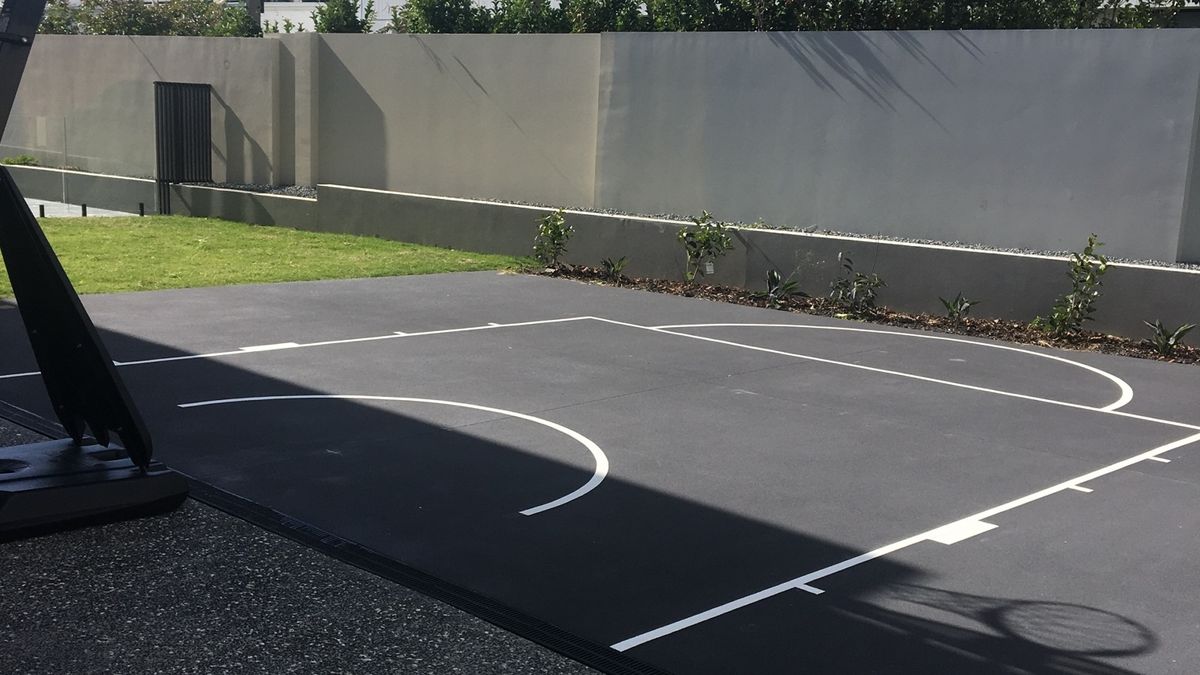
As the weather warms up in early spring, shared outdoor sports courts start to see a lot more action. Whether it’s a game of basketball after school, weekend tennis with the neighbours, or netball training at the local community centre, these spaces carry a heavy load. When multiple groups use the court for different sports, clear and durable line marking helps keep everything flowing smoothly without players getting in each other’s way.
Sports courts work best when the lines make sense for everyone using them. But juggling different layouts on the same surface isn’t always easy. Misplaced or confusing markings can throw off a game, create safety issues, or just leave people unsure of where to stand or serve. That’s why smart planning, careful paint choices, and regular upkeep all matter.
We’ve put together some practical tips to help manage shared courts so everyone—whether they play every weekend or just drop in—knows where to go once the whistle blows.
Planning Around Multi-Use Activity
Before picking up a paint brush, it’s worth taking the time to map out what the court is really being used for. A school court might host netball one day and futsal the next. A council surface may switch daily between casual tennis and junior coaching groups. The key is to understand the mix of sports and then design a marking layout that makes space for each without creating confusion.
A few simple choices go a long way:
- Pick colours that stand apart. For example, stick with white lines for basketball, yellow for netball, and blue for tennis. This helps players focus on just the lines they need.
- Keep a consistent pattern. If every sport has its own corner or section of the court, dividing lines should follow logical directions and avoid overlap where possible.
- Check line positions for safety. No one wants a layout where a soccer goal blocks a three-point line. Spacing should allow for every game to run cleanly without people standing in high-traffic zones.
We’ve learned that a good plan pays off, especially when all sports get equal attention during setup. Angle Linemarking uses specialised line marking plans for sports courts, helping with multi-colour and multi-sport layouts that reduce confusion and keep the games running smoothly.
Handling Wear and Tear from High Use
If a court’s getting used every day, the markings take a beating. The goal line, service boxes, and three-point arcs wear down the fastest because players focus most of their footwork there. It’s easy for paint to fade or chip when it’s getting stepped on hundreds of times each afternoon.
To keep things working under frequent use, we keep these steps in mind:
- Identify hot zones. Look for where players are constantly starting, stopping, or changing direction. These zones usually need more regular touch-ups.
- Plan around breaks. School holidays or community down-time are perfect chances to refresh faded lines without disrupting games.
- Use smarter paint. Not all paint holds up the same way. For courts across Queensland, where sun and storms take turns, we go with durable, outdoor-friendly products that balance grip, colour, and resilience.
For sports courts in Queensland, Angle Linemarking chooses high-durability paints and slip-resistant finishes, designed to last longer even in sun, rain, and heavy traffic. Battered lines don’t just look messy, they lead to confusion. A game played on worn markings just doesn’t run the same way.
Making It Easy for Users to Follow Markings
No matter how many sports share a court, what really matters is making sure the lines help players—not trip them up. This is especially true for younger kids, new players, or mixed-age groups. If the court feels like a puzzle, the fun fades fast.
Here’s how we help markings make sense:
- Keep line width steady. Changes in thickness might seem small, but they make a big difference, especially to junior sport groups trying to stay in bounds.
Avoid overlapping major lines. If the basketball and netball boundaries meet in - the same place, one should take priority, or they should be spaced slightly apart rather than tangled together.
- Support with signage. Small signs or floor stencils near player benches and entrances can remind players which colour or section they’re playing in that day.
We’ve seen how these small steps can prevent on-court mistakes and speed up changeovers between sessions. Simple visuals save time and reduce court-side confusion.
Why Prep and Surface Cleaning Still Matters
It’s tempting to jump straight into line marking after a surface looks clean, but poor preparation often leads to short-lived results. Dirt, moisture, and rough patches don’t just weaken how the paint sticks. They can quickly wreck the fresh lines you just applied.
In our experience, better prep means longer-lasting markings:
- Clean the surface thoroughly. This includes removing leaves, built-up grit, or dusty areas that can affect paint sticking properly.
- Allow time for drying. With Queensland’s frequent shifts between wet and dry cycles, it’s not enough to dry the court just once. Some surfaces soak in moisture that rises later and unseats the paint.
- Buff before painting. If a surface is glossy or sealed, paint may slide off instead of bonding. Light abrasion, in some cases, can create a better surface to hold onto.
A freshly painted court should last more than a season, and proper groundwork helps it stay game-ready from start to finish.
A Smarter Way to Keep Shared Courts Game-Ready
Shared sports courts only work well when they’re set up for all users, not just the most frequent ones. Taking the time to plan for line placement, colour choice, and steady upkeep helps everyone feel confident stepping onto the court. That planning builds a space where each user—whether they’re practising serves or shooting goals—knows exactly where they stand.
When lines stay clear and consistent, people spend less time second-guessing and more time enjoying the game. With a regular routine of care, those shared spaces stay safe, welcoming, and ready for whatever sport happens next.
Keeping shared spaces in good shape takes more than one round of paint. Whether it’s a schoolyard used every afternoon or a weekend hub for local sport, managing line clarity and surface condition matters just as much as regular use.
To make the most of your sports courts, it starts with clear planning and upkeep that suits how the area gets used. At Angle Linemarking, we know how to line out spaces that work for everyone without adding confusion. Contact us to talk through what your court needs next.