
Line Removal and Repaint in Brisbane: Downtime-Minimizing Plan for 24/7 Sites
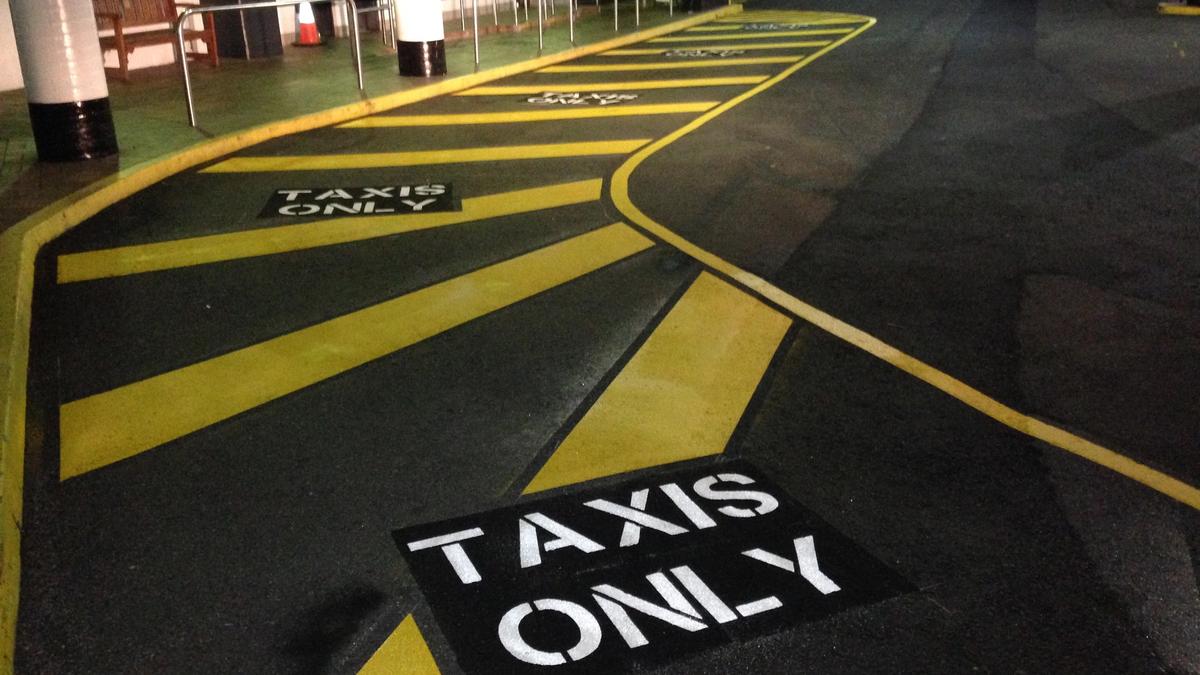
Cut Downtime While You Upgrade Your Line Marking
Line removal and repainting on an active site is a serious juggling act. You need clear, compliant markings, but you also need trucks, patients, shoppers or staff to keep moving with as little disruption as possible.
For busy logistics hubs, hospitals, shopping centres and industrial sites, the key is a clear staging plan. When works are not planned well, you can end up with confused drivers, blocked bays, unsafe shortcuts and avoidable delays. In this guide, we walk through a practical approach to line removal that brings together traffic control, repaint sequencing and reopening checks so your site can stay safer and easier to navigate during the upgrade.
Scoping Your Line Removal Project for Active Sites
Before anyone brings in grinders or paint, the planning work starts on paper and on foot around your site.
Start with a simple but clear map. Walk the area and mark:
- Current line marking, including every bay, arrow, symbol and safety zone
- Exact line removal areas and what will be repainted, changed or added
- Critical paths such as main entry roads, loading docks, fire exits and ambulance or taxi zones
It also helps to flag:
- Pedestrian routes, crossings and accessible parking that must stay open
- Shared areas where forklifts and pedestrians mix
- Any one-way systems that cannot be changed without creating confusion
With that map, you can break the job into logical stages, such as one car park level at a time or alternating loading docks, so people always have a safe way in and out.
Next, think about the right removal method. Common options include:
- Grinding, which is effective on both concrete and asphalt
- Water blasting, which can suit certain surfaces and open areas
- Light surface preparation, where markings are already fading
The type of surface matters. Concrete and asphalt behave differently, so removal depth, texture and repaint preparation will vary between them. This is where a crew that regularly works on commercial pavements can make informed decisions on method, staging and surface readiness.
Compliance needs to sit in the plan from day one. Layouts should line up with:
- Relevant standards for line widths, colours and symbols
- Accessibility requirements around bay sizes, gradients and access paths
- Rules for loading zones, fire lanes, drop-off points and shared traffic areas
If your car park or driveway connects directly to a public road, you may also need external traffic management plans or permits before works begin.
Traffic Control and Staging That Keep Vehicles Moving
A traffic management plan is your roadmap during works. It sets out:
- Temporary detours and lane closures
- Reduced speed limits where crews are working
- Alternative pedestrian paths and crossings
Qualified traffic controllers then put that plan into action by guiding traffic, updating signs and responding when something unexpected happens. On active sites, they also help coordinate on-site movements such as trucks, forklifts and service vehicles with public traffic at entries and exits.
Staging is about choosing what to close and in what order. Good options include:
- Closing one driveway lane at a time while the other stays open
- Working on one bank of parking bays while the rest of the level stays active
- Rotating loading docks so at least one remains available for deliveries
Clear communication keeps everyone calm. Before works start, it helps to:
- Notify tenants, staff, contractors and regular visitors about dates and likely impacts
- Share simple maps showing changed entry routes or closed areas
- Put up temporary signs, cones and barriers to replace lines that have been removed
If conditions on site change, quick updates through building managers, security teams or internal channels help reduce frustration and keep people informed.
Surface Readiness and Repaint Timing
On active sites, repainting needs to be planned carefully so each stage is ready for the next. Once old markings are removed, the surface should be checked to make sure it is clean, consistent and suitable for new markings.
A practical plan should allow for:
- Surface cleaning after removal
- Inspection for damage, residue or patchy texture
- Clear set-out before new markings are applied
Repaint timing is also important. Markings may feel dry early, but that does not always mean they are ready for regular traffic, especially in areas used by heavy vehicles or constant turning movements.
A safe approach includes:
- Knowing the typical curing period for the selected marking product
- Allowing additional care in areas where vehicles turn, brake or stop frequently
- Reopening each stage only when the markings are ready for use
This helps reduce early scuffing, peeling or premature wear that can affect the final result.
Repainting, Quality Checks and Reopening Protocols
When it is time to repaint, accuracy matters. Good set-out work means crews:
- Measure bay widths and lengths so they meet requirements
- Mark reference points before any paint goes down
- Match colours and symbols to what drivers and pedestrians expect
This is also a chance to improve flow, not just copy the old layout. Small adjustments to arrow directions, bay angles or pedestrian paths can make a real difference to safety and ease of use.
Before any area reopens, a thorough check is worth the time. Key points include:
- Line visibility under site lighting and in normal operating conditions
- Surface suitability where vehicles brake or people cross
- Alignment of markings with signs, mirrors and physical barriers
- Clear, direct accessible paths from designated bays to building entries
Walk-throughs and drive-throughs with site representatives help confirm that wayfinding feels natural. Photos and simple as-built diagrams are also useful later when planning maintenance or future updates.
A structured reopening checklist keeps things organised:
- Confirm all markings in the stage have reached the required cure point
- Remove or reposition barriers, cones and temporary signs
- Check for loose debris, dust, slurry or leftover adhesive from old markings
- Make sure no ghost lines or partly removed arrows are left to confuse drivers
After reopening, a short review period helps identify any early issues with flow or clarity so they can be corrected promptly.
Partnering With Specialists for Smooth Delivery
On active operational sites, the difference between a smooth program and a messy one often comes down to experience. A team that understands how different pavements behave and what regulators expect around traffic control can adapt quickly and keep the project on track.
Turning your plan into a workable program usually starts with a site walk. That is where everyone lays out:
- Operational priorities and critical access needs
- Preferred staging options
- Areas that need the most urgent attention
From there, you can agree on a realistic sequence that balances safety, repaint preparation, traffic control and site access. For facilities managers, centre managers and body corporates, it is worth regularly reviewing existing markings and flagging areas where old paint, confusing layouts or changed site use mean line removal and repainting are due. When you pair that review with a clear staged plan for line removal, you end up with safer traffic flow, clearer navigation and an upgrade that fits the way your site operates.
Get Started With Your Project Today
If you need precise, compliant line removal that keeps your site safe and traffic flowing, we can help. At Angle Linemarking QLD, we use specialist equipment to deliver clean, efficient line removal in Brisbane with minimal disruption to your operations. Talk to our team about your car park, warehouse or road project so we can recommend the right solution and timing. Reach out today and we will provide clear advice, a straightforward quote and a schedule that works for you.