How to Make Car Park Line Marking Clearer for Office Buildings
Clear, well-kept lines in office car parks do more than make the place look neat. They help people know where to go, where to park, and how to move through the space safely. When lines are worn out, too light, or laid out in a confusing way, it can cause problems for both drivers and pedestrians. Even something as simple as a missing arrow or faded reserved bay can cause delays, near misses, or blocked access.
Car park line marking doesn’t just manage traffic flow, it helps keep things running smoothly. In Queensland, summer can bring heavy rain and high humidity, which doesn't make things any easier. If the surface isn't prepped right or the wrong paint is used, markings can fade fast or peel away before the season's over. That’s why it’s worth taking extra care with the full process, from surface preparation to layout and product choice. At Angle Linemarking QLD, we provide line marking and removal services for commercial and office sites across South East Queensland, so we see the impact of careful planning and product choice every day.
Preparing Surfaces for Durable, Long-Lasting Line Marking
Before any paint goes down, the surface needs to be ready. Bad prep leads to bad results. Even the best line marking job can fail quickly on a dirty or damaged surface. Old paint, dirt, oil spills, or leaf build-up can get in the way and stop the new lines from sticking properly.
The first step is to assess the site and remove any old or flaking lines to create a clean, level surface for new markings. In most cases, general dirt and dust can be cleared with a broom or blower, as the paint itself is applied at high pressure and will dislodge light debris. Pressure cleaning is only used when surface contaminants such as mould, grease, oil, caked-on mud, leaf litter, or forklift tyre marks are present, as these could prevent proper paint adhesion. Taking the time to address these issues ensures the new lines have a strong, durable base.
Queensland’s weather can create challenges for line marking, with high humidity or rain affecting surface drying and paint adhesion. On concrete surfaces, we test the moisture content before painting to ensure the base is adequately dry, as this is critical for proper bonding. Asphalt surfaces do not require complete drying, but any excess moisture is still managed to maintain a clean, durable finish. Taking the time to address surface conditions helps prevent issues like bubbling or premature wear.
Choosing Line Marking Paints That Don’t Fade Fast
Not all paints hold up the same way in busy car parks. Office buildings deal with regular foot and car traffic every day of the week. Add intense heat and UV exposure during Queensland summers, and it doesn't take long for low-quality paint to fade or peel. White and yellow lines, in particular, can start to lose their brightness, making the whole car park harder to navigate.
The right line marking paint does more than look crisp on day one. It needs to hold up under tires, heat, and rain. A good choice can mean fewer touch-ups and longer-lasting results, which saves time and keeps everything looking clear and professional. For places where sharp lines matter every day, like office precincts, lasting visibility isn't just about looks, it helps avoid confusion and protects people moving through the space.
It also helps to choose paints designed for concrete and asphalt, as both surfaces handle heat and moisture differently. In Queensland, the right paint choice often means selecting products with UV resistance, quick drying times, and good wear resistance, because summers can be especially damaging to ordinary markings. Making the proper selection means longer intervals between repainting and less frequent disruption for users of the parking area.
Getting the Layout Right for Office Car Parks
Many office car parks suffer from awkward layouts that make things harder than they need to be. Tight turning bays, unclear arrows, or unclear entry and exit points all add to the daily frustration for drivers. And if multiple tenants share the property, the confusion only grows.
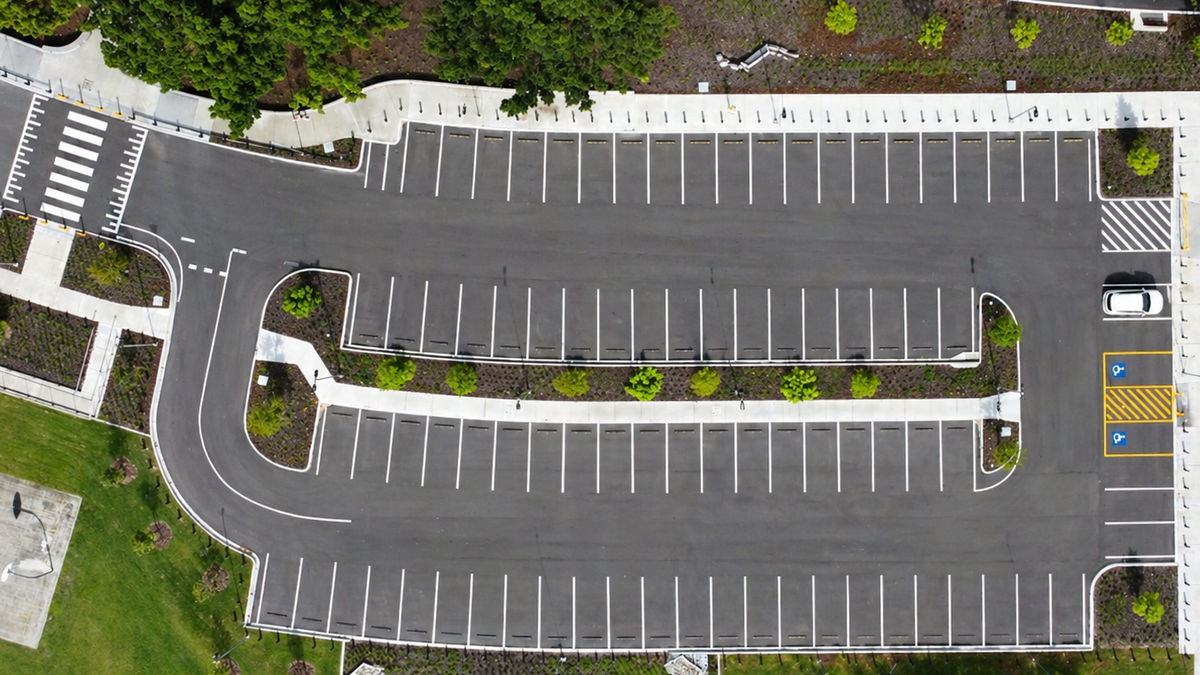
A good layout should feel natural to follow. That means clearly marked one-way traffic lanes, wide enough parking bays, and defined pedestrian crossings. Shared spaces like loading zones or short-stay visitor spots should stand out right away. If the markings are sharp and the layout makes sense, people don't need to guess where they’re meant to be.
Here are a few small layout details that often make a big difference:
- Directional arrows that guide vehicles without clutter
- Designated areas for delivery or trades vehicles
- Reserved bays for visitors or mobility access near entrances
When done right, a smart layout cuts down on traffic jams, complaints, and fender benders. The experience for everyone entering or leaving the site is improved, making both everyday routines and busy periods simpler.
Extra Markings That Support Everyday Safety
In a busy office car park, it's not just about where cars go, it's about where people walk, too. Safe walking paths, shared-access spots, and crossing points all need to be easy to spot, especially during peak times or in low light.
Adding safety elements makes a big impact. These can include:
- Painted pedestrian walkways in contrasting colours
- Wheel stops to protect walls or fences
- Bollards near access doors or loading zones
- Signage to direct both foot and vehicle traffic
When these extras are clean and visible, they help reduce risks and keep the site looking tidy and well cared for. Offices often have people unfamiliar with the car park, visitors, contractors, or new staff, so having clear guides in place keeps the flow consistent and safe for everyone. For many business sites, these car park markings link with wider safety line marking in warehouses and loading areas, which is why we look at the whole site when planning new work.
A well-planned site uses colours, signs, and physical barriers together to encourage safe movement. It also helps people feel confident as they walk or drive, letting them focus on their own tasks rather than finding their way or worrying about danger spots. Having these extras is an easy way to make a positive difference, especially during periods when lots of new people might be on site, such as after a hiring drive or when new tenants move in.
Seeing the Difference Long Term
A well-marked car park isn’t just about first impressions. It makes it easier for staff, clients, and contractors to move through the space safely without wondering where to go or what belongs where. Good car park line marking does a quiet job each day, keeping traffic moving, people safe, and common areas clear.
The difference shows over time when the work is planned right from the start. Dry, well-prepped surfaces paired with paints designed for local conditions lead to longer-lasting, sharper results. Line layouts that suit everyday needs reduce confusion and improve site flow. When these details come together, they make life easier not just for drivers, but for the people managing the property too.
At Angle Linemarking QLD, we know that consistent, well-planned car park spaces help office environments run more smoothly day after day. Whether you're dealing with high traffic during the week or changing seasonal conditions, the right layout and durable materials can make ongoing management much simpler. If you're looking to improve safety and flow in your building's parking area, we can help with car park line marking that suits your site and climate. Reach out to us to talk through your next project.