
Planning Durable Line Marking for Longer-Lasting Site Safety
Making Line Marking Last Longer on Busy Sites
When planning a new build or facility upgrade, line marking paint is one detail that is easy to overlook but can create major problems later if it is not handled properly. It does more than mark bays or walkways. It helps keep people safe, guides vehicle movement and supports smoother site operations.
For builders, developers and property managers, knowing how long the paint will last matters. A job that looks sharp at handover can quickly fade if the wrong products are used or if the surface is not prepared properly. Choosing the right paint and getting the preparation right makes a major difference to how well the finished result performs.
Choosing the Right Paint for Longer-Lasting Results
Not all surfaces are the same, and neither is the paint used on them. The right choice often depends on whether you are working with concrete or asphalt, and whether the markings will be applied inside a warehouse or in an open external area.
Each environment needs a specific approach:
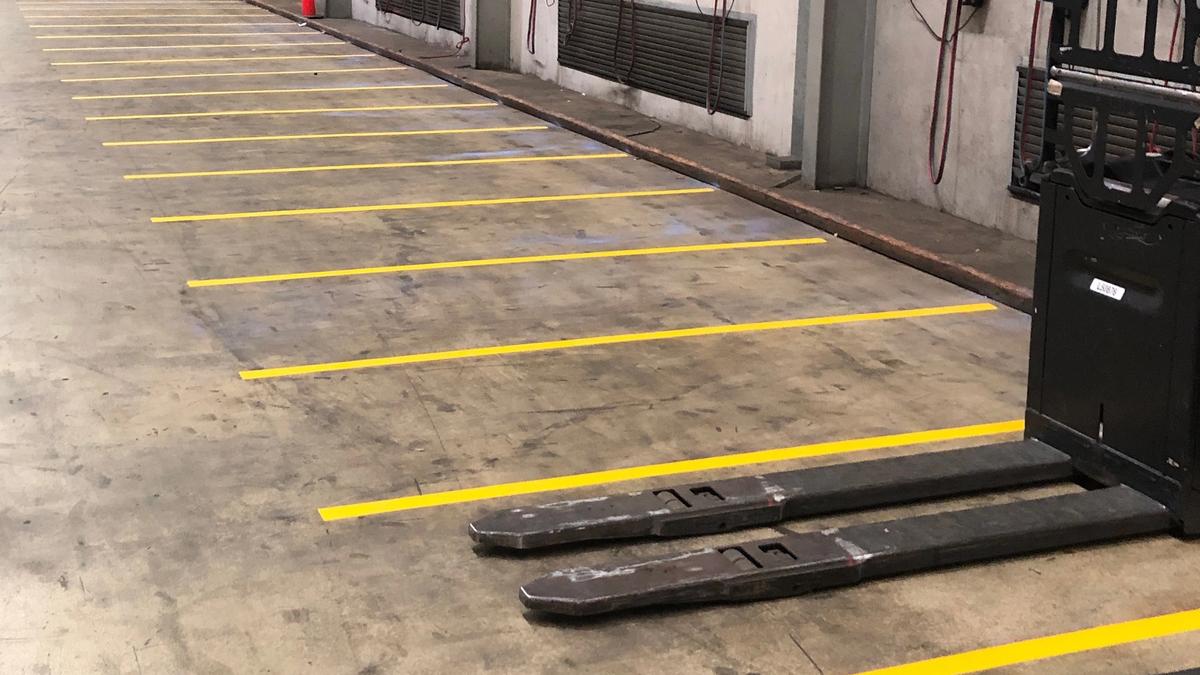
- For indoor sites like factories or loading areas with forklifts, you need a paint that holds up against rubber wheels and heavy use
- For outdoor areas such as school car parks or shopping centres, durability and visibility matter more
- Quick-drying paints can work well for lower-traffic areas, but they may not last as long in sections with heavier wear
Some paints fail early because they are not suited to the surface or the way the space is used. That is why choosing the right product for both the site and the traffic conditions makes a big difference to how long the markings last. Across commercial and industrial projects in South East Queensland, Brisbane, the Gold Coast and Northern NSW, selecting coatings that suit local site demands and expected traffic can improve performance significantly.
Surface Preparation: Why It Makes or Breaks the Job
Paint only lasts as long as the surface underneath allows. If the ground is not properly cleaned or prepared, the line work will not stay in good condition for long. Dust, grease or leftover paint can all interfere with bonding and lead to peeling, bubbling or uneven fading.
Solid surface preparation usually includes:
- Pressure cleaning to remove built-up grime, mould or oil
- Grinding down older markings or uneven areas to improve adhesion
- Making sure the surface is clean and ready before any paint is applied
Preparation is not just a minor step. It is one of the main reasons some markings last well while others fail early. Because we provide pressure cleaning and line removal alongside line marking, these preparation steps can be handled as part of one clear process.
Placement and Traffic: Where You Paint Matters Too
Some areas naturally wear faster than others. Entry points, drive-through lanes and areas near roller doors often take heavier foot and vehicle traffic. That constant movement wears lines down much faster than quieter parts of the site.
Common problems include:
- Markings placed in high-movement zones where equipment scuffs them daily
- Missing high-visibility features like directional arrows or pedestrian crossings in busy corners
- New markings applied over old ones without addressing the wear underneath
Planning the layout around real traffic movement helps protect the most important areas. Walkways, bollards and buffer zones can all help reduce pressure on painted surfaces and improve how long the markings remain clear.
Application Timing and Site Readiness
Even with the right product and preparation, timing still matters. Paint needs suitable site conditions and enough curing time to perform properly. If areas are reopened too quickly or the work is carried out before the site is ready, the finish may not last as intended.
To support a better result:
- Apply paint only after the surface has been properly cleaned and prepared
- Make sure there is enough time for the markings to cure before traffic returns
- Coordinate the work so surrounding site activity does not interfere with the finished lines
Good planning helps reduce the risk of patchy results, early wear or unnecessary rework. It also makes it easier to manage larger projects in stages.
How to Tell It Is Time for a Repaint
No line marking paint lasts forever, but it is important to identify wear before it becomes a safety issue. Some signs are obvious, while others are easier to miss until they begin affecting access or visibility.
Watch out for:
- Faded or patchy pedestrian crossings
- Worn safety hatching in loading zones
- Markings that are hard to read unless viewed from a certain angle
- Lines that no longer match how the space is being used
It is not only about appearance. In some cases, updated safety requirements or site inspections can trigger a repaint to maintain compliance. Setting a regular review schedule, especially in areas with high forklift or foot traffic, helps catch problems early.
Stay Ahead by Understanding Paint Longevity
Smart planning around line marking paint saves time, money and follow-up hassle. Starting with the right product, preparing the surface properly and applying it under suitable site conditions are all part of the same process. Add in a practical layout and good traffic planning, and those markings are much more likely to last.
For builders, project managers and property owners, staying ahead of wear makes maintenance simpler and helps avoid unexpected compliance issues. Clear, durable markings do not happen by chance. They are built into the plan from the beginning.
Planning for long-term results means the right preparation makes all the difference. At Angle Linemarking QLD, we help builders and property managers keep their spaces safer and more organised with durable, clearly marked layouts. Whether your project involves schools, industrial sites, or car parks, choosing the right line marking paint is key to lasting visibility and compliance. We understand the local weather conditions and traffic patterns that put extra pressure on surfaces, so get in touch with us to discuss your project schedule and site needs.