
How to Use Safety Line Marking for Emergency Evacuation Paths
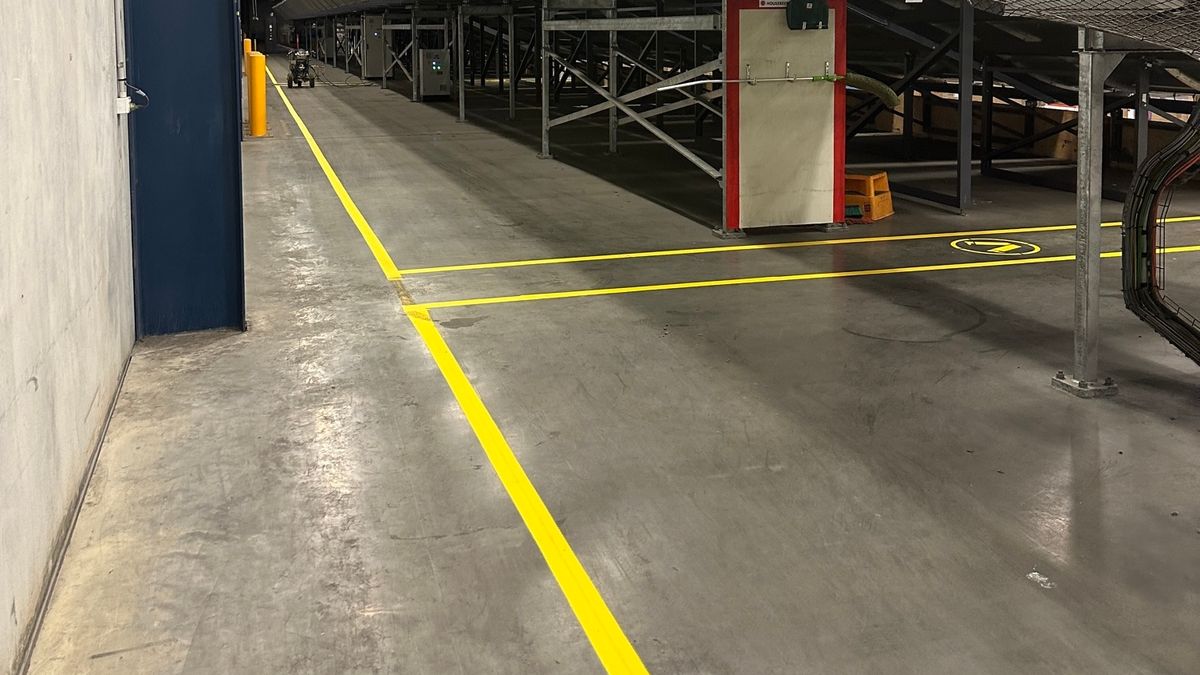
Smart Line Marking for Safer Emergency Paths
Safety line marking plays a quiet but powerful role in emergency planning. In schools, factories, car parks, and shopping centres, people rely on clear paths to know where to go when conditions change quickly. In stressful moments, no one should be left second-guessing the right exit or the safest direction to take.
Across busy facilities, constant vehicle movement, foot traffic, and day-to-day wear can reduce the visibility of painted paths. That is where safety line marking becomes essential. It provides a clear visual prompt that makes emergency evacuation routes easier to identify and follow. For facilities across Brisbane, Gold Coast, Ipswich, Logan, Tweed Heads, Ballina, Byron Bay, Lismore, and Murwillumbah, clear markings help keep the focus where it belongs: moving people to safety quickly and efficiently.
Why Emergency Paths Need Clear Visual Guidance
When alarms sound or visibility changes, people do not always move calmly or remember detailed instructions. Stress affects judgment and attention. That is why evacuation routes need more than a clear plan on paper. They need to guide people clearly at ground level.
Without visible markings, it becomes much easier to misread an exit or hesitate at a confusing turn. Over time, high-use areas can become visually crowded with signs, equipment, and everyday activity. If the route is unclear, people may lose valuable time trying to work out where to go.
To support safer movement during an emergency, key areas should be clearly identified. That includes:
- Entry and exit doors
- Fire extinguishers, hoses, and alarm panels
- Muster points and assembly areas
Each of these areas should be supported by clear visual markings that help people understand where to go next.
Best Practices for Marking Emergency Routes
Not all lines perform the same way, and not all surfaces respond the same way either. That is why the right material choice and layout matter. Emergency route markings should be easy to see, easy to follow, and suitable for the space they are guiding people through.
Good emergency route marking is about more than adding arrows to the floor. It should work as part of a practical safety plan. Some of the most effective approaches include:
- Using high-contrast colours to improve visibility
- Adding non-slip finishes in areas where slip resistance is important
- Keeping lines wide enough to be seen clearly from a distance
- Using directional arrows and turn indicators where routes change direction
Many emergency paths move around corners, equipment, shelving, or other built features. Details like turn markers and clearly defined edges can help people stay on the correct route without second-guessing the next step. A well-planned layout should follow the way people naturally move through the space.
How to Plan Evacuation Layouts for Complex Spaces
Every site is different, and so is the way people move through it. What works in a childcare centre may not suit a warehouse or shopping precinct. That is why evacuation planning should begin with actual traffic flow and how people use the space every day.
A practical starting point is to walk through the site and identify where people would naturally head first if they needed to leave quickly. From there, the goal is to guide that movement in the safest and clearest way possible. That usually means:
- Starting routes near familiar exits and main walkways
- Highlighting safety equipment zones such as first aid kits and fire equipment
- Allowing enough space for people to move in groups without bottlenecks
On larger sites, especially those with mixed-use areas such as factories with attached offices, it often helps to divide the layout into zones. Each zone can then have its own clearly marked route, even if several routes lead to the same exit.
Different surface types also affect the final result. We only line mark on concrete and asphalt, which suit many car parks, schools, and industrial floors. These surfaces provide a reliable base for durable markings and clear route definition.
It is also worth reviewing routes from time to time to make sure they still suit the space. Layout changes, stored items, or updated access arrangements can all affect how well an evacuation path functions. Regular reviews help keep routes clear and effective.
Common Mistakes That Undermine Emergency Path Safety
Evacuation lines are sometimes painted once and then overlooked. Over time, that can create unnecessary risk. Machinery, vehicle traffic, and general wear can gradually reduce the clarity of markings. If no one checks them regularly, important routes can become difficult to follow.
Here are a few common issues that can reduce the safety of a marked path:
- Skipping regular checks for chipped, peeled, or faded paint
- Repainting or shifting lines without considering emergency movement
- Allowing non-safety markings to sit too close to emergency markings
- Creating layouts that look cluttered or difficult to read under pressure
Another common mistake is assuming people already know the best path out. That may hold true during normal operations, but it is far less reliable during an emergency or when visitors are onsite. Line markings should help guide people even when no one is available to direct them. Clear colours, symbols, and arrows can make decisions easier when time is limited.
Spacing also matters. Overlapping or crowded markings can be almost as risky as faded ones because they reduce clarity at the very moment clear guidance matters most. Before making permanent changes, it can help to review the layout carefully and make sure the route still works with the current site setup.
Clear Steps Lead to Safer Outcomes
Emergency situations leave very little time to think. People need to move quickly, and often under pressure. That is why safety line marking matters. It provides a silent and steady guide that helps people move without unnecessary hesitation.
With a well-planned layout and proper upkeep, evacuation markings act like a reliable visual guide, pointing people in the right direction when it matters most. In places where people move between vehicles, equipment, or shared access areas, that clarity can make a significant difference. When done properly, simple markings can make emergency movement more controlled and more manageable.
Consistent reviews and timely updates can make evacuation routes more reliable over the long term. It is worth setting reminders to inspect marked lines at regular intervals so faded or outdated routes do not create avoidable risk. Checking visibility from different points across the site can also help confirm that the markings remain clear and easy to follow.
When it comes to emergency planning, the small details matter most. Make sure your evacuation routes are easy to follow and built to last with clear, visible safety line marking. At Angle Linemarking QLD, we help schools, warehouses, and commercial properties prepare for the unexpected with markings that stay strong through harsh Queensland conditions. Let’s make your space safer, one line at a time.