What You Should Know Before Pressure Cleaning in Queensland
Pressure cleaning in Queensland can bring a surface back to life. After months of hot sun, heavy rain, and dust settling into every corner, it’s easy for outdoor spaces and work zones to start looking tired. A proper wash can brighten concrete, clear away built-up dirt, and get things set for new work like line marking or paint. But before jumping in, it’s smart to take a moment and think about timing, surface types, and what might be nearby. There are a few simple things that help your results last longer and make the whole area safer and easier to manage.
Know Your Surface Types
Not every surface reacts the same way under a pressure cleaner. For example, plain concrete is tough and usually holds up well. But painted or sealed areas might be more sensitive. Too much pressure or holding the nozzle too close can strip colour, peel paint or leave marks behind.
It’s often hard to spot weak spots until water hits them. An older surface might have small cracks or loose patches that get worse during cleaning. Some sealed surfaces can even become slippery when wet, which is something to think about if cleaning happens near public paths or entryways.
A few surface types we always approach with care include:
- Painted concrete, especially if it hasn’t been touched up in years
- Textured or decorative finishes
- Any area with older line markings or signage painted directly onto the ground
If you’re unsure how a surface will react, that’s usually when getting a professional involved makes the most sense.
Angle Linemarking QLD offers pressure cleaning in Queensland for car parks, warehouses, and factory floors, tailoring equipment and cleaning pressure to match each surface.
Be Aware of Nearby Line Marking or Signage
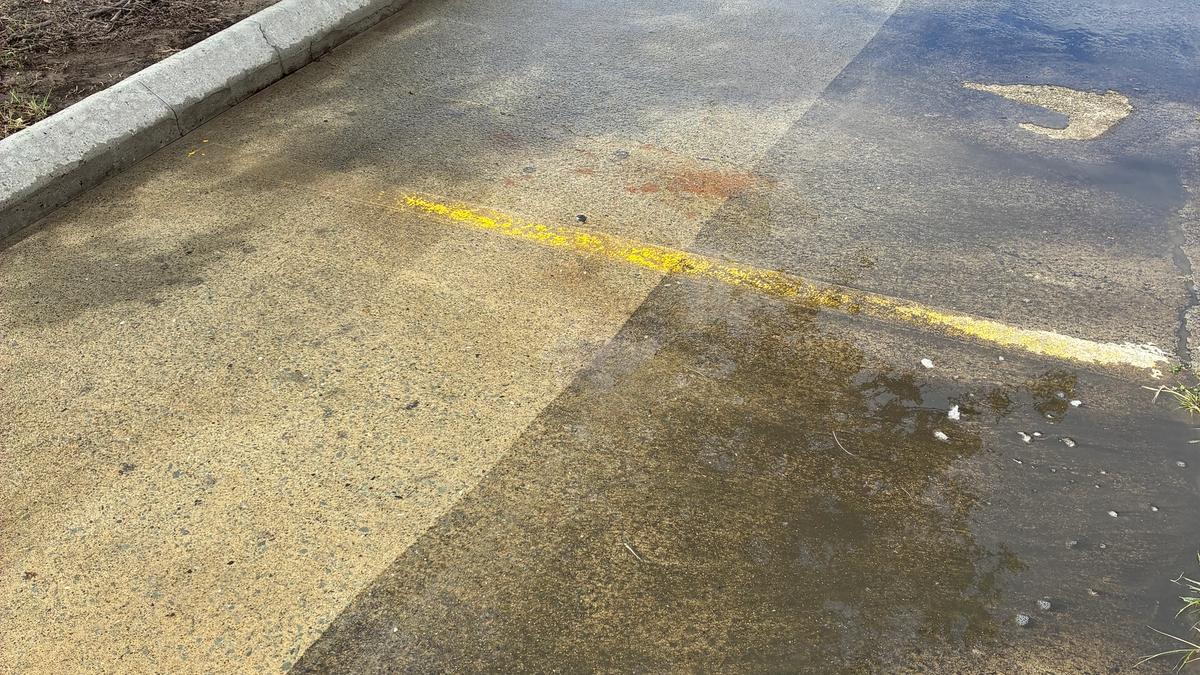
Pressure cleaning works best when you know what’s around it. That includes painted lines, arrows, directional signage or safety zones like walkways and stops. If those have been recently applied, power cleaning too soon can lift the colour or blur the edges. Paint needs time to cure. Even paint that looks dry on the surface can still be soft underneath if it was done in damp or humid conditions.
Planning to do line marking work right after a clean? Make sure the surface dries properly first. Any leftover moisture or residue can get in the way of adhesion. Skipping that wait can cause paint to lift later on or bond unevenly.
It helps to pre-check the area for markings that need to stay visible. If certain zones are off-limits or protected for safety reasons, make a plan to clean around them or tape them up if needed. Communication between cleaning crews and marking teams is key to making sure one job doesn’t cancel out the other.
Watch Out for Run-Off and Compliance
Water needs somewhere to go after cleaning, especially if you’re washing a car park, loading zone or warehouse area. In Queensland, laws around stormwater run-off are pretty clear. That water can’t carry grease, grime or waste into public drains, creeks or soil. If it does, it can cause damage to plants or wildlife and lead to fines.
The location of nearby drains, garden beds or public walkways all play into how you plan a job. Run-off that flows into traffic areas can make surfaces slippery. Water that flows into plant beds can carry chemicals or debris that don’t belong there.
Every site is a bit different, but some basic steps make a big difference:
- Use proper catchment equipment if cleaning near drains
- Avoid washing during heavy rain, when water spreads quickly
- Know where water tends to pool or flow after a wash
Using the right gear and keeping waste out of local systems helps protect both the job site and the area around it.
Angle Linemarking QLD follows local run-off rules and uses pressure cleaning techniques that reduce splatter and mess, helping workplaces remain compliant.
Getting the Timing Right for Commercial Sites
For commercial jobs, timing is half the work. Nobody wants to block footpaths during a lunch rush or wash entryways just before a delivery truck pulls in. Picking the right window means fewer delays, less chance of someone walking through wet areas, and a job that looks clean when it’s finished.
Quiet hours often work best. That might mean early mornings before a shop opens or later evenings after traffic slows down. If you run a public site, working on a Monday or mid-week can give you more control. Weekend cleaning can be tricky if visitor numbers are higher or access is harder to manage.
A little planning gives each step more breathing room. Drying times, setup, and clean-up all run smoother when there’s space to work. Businesses often benefit from tagging pressure cleaning onto other quiet periods too, like before repainting, repairing or doing end-of-year maintenance.
Clean Surfaces, Clear Results
A good pressure clean is about more than appearance. It prepares surfaces for new markings, and creates a safer space for workers and visitors. But for areas to stay clean and stay safe, timing and planning matter just as much as the water pressure itself.
By choosing the right season, protecting nearby markings, and knowing how each surface will behave, you can set the stage for better-looking, longer-lasting results. Whether you're tackling a warehouse floor, a car park, or preparing for a fresh coat of paint, a thoughtful approach to pressure cleaning in Queensland helps everything come out looking clear and working as it should.
At Angle Linemarking QLD, we plan each job around Queensland’s weather, surface type and conditions on site, because a few smart steps early on can make a big difference down the track. That’s especially true with outdoor surfaces, where timing affects everything from drying to how nearby signage holds up. To see how we approach pressure cleaning in Queensland, get in touch with us.