
Speed Hump Placement Mistakes Gold Coast Car Parks Can Avoid
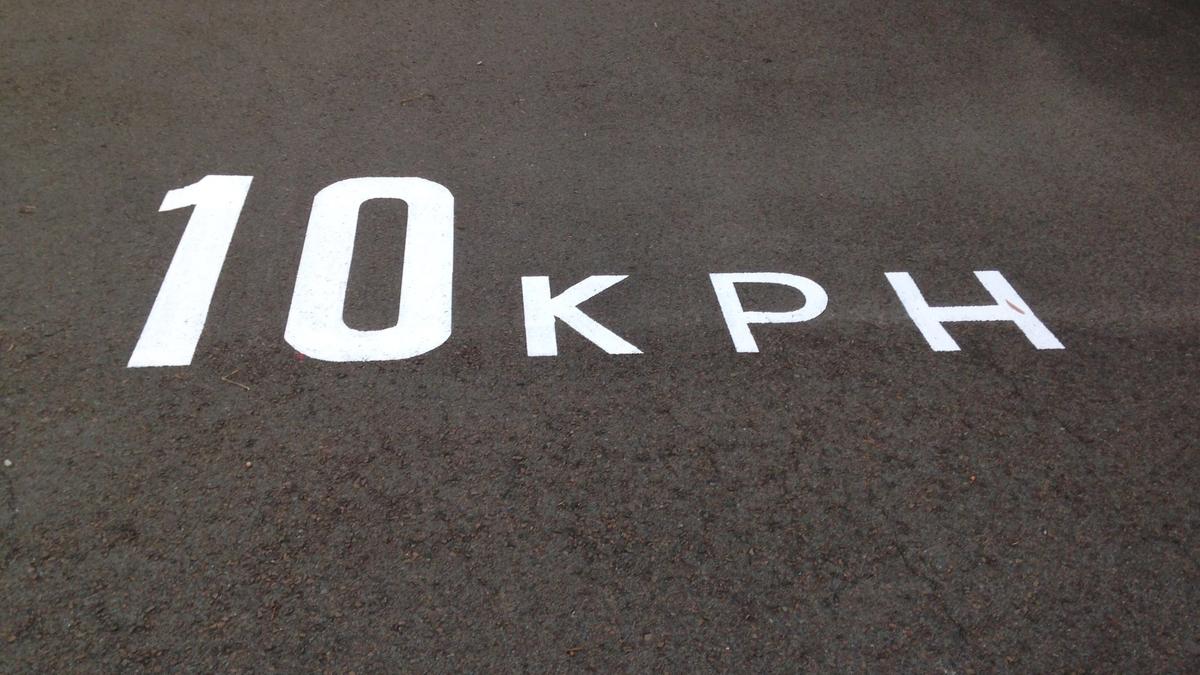
Safer Car Parks Start with Smarter Speed Hump Placement
Speed humps can slow vehicles and help protect pedestrians when they sit in the right places. Poor placement, however, can lead to sudden braking, blocked vehicle movements, drainage trouble and traffic build-up where you least want it.
Car parks bring together moving cars, people walking to entrances, reversing vehicles, delivery activity and shared access routes. We recommend treating speed control as part of the whole site layout, not as a quick fix for one problem spot. A careful review helps you avoid common placement mistakes before they create new safety concerns.
Match Speed Humps to Real Vehicle and Pedestrian Movements
Before choosing a location, we look at how vehicles actually use the car park. The planned route on a site drawing may not match day-to-day behaviour. Drivers may take shortcuts through open bays, queue at an exit, reverse from loading areas or travel too quickly along a long, straight lane.
A speed hump should respond to a clear risk, such as drivers failing to slow before a crossing or building entrance. It also needs enough space on each side for drivers to see it, reduce speed and travel over it in a controlled way.
When assessing a car park, we consider:
- Entry and exit points, including vehicle queueing areas
- Turning paths around parking bays and access lanes
- Reversing zones near loading, waste or service areas
- Pedestrian crossings, walkways and building entrances
- Shared spaces where people and vehicles use the same route
Installing a hump too close to a tight turn can interrupt the flow of traffic. The same applies near a busy driveway, where abrupt braking may cause vehicles to queue back towards the road. Rather than adding humps in every possible location, we recommend placing them where they support predictable, safer movement.
Avoid Sightline Errors in Speed Hump Installation in Gold Coast
Drivers need clear warning before they reach a speed hump. If the hump, signs or pavement markings are hidden until the last moment, drivers may brake sharply or steer suddenly. That can create a new hazard for people walking nearby and for vehicles following behind.
Sightline problems are common in car parks because there are so many visual barriers. Parked vehicles, landscaping, building columns, storage zones, ramps and blind corners can all hide a traffic calming feature. Changes in ground level can also make a hump harder to spot from the approach.
Professional speed hump installation in Gold Coast should account for the full approach, not just the point where the hump will sit. We consider the direction vehicles travel, the distance available for drivers to react, lighting around the area and the contrast of the line marking.
Clear markings help drivers understand what is ahead. A visible painted treatment on the hump, paired with suitable warning signs and speed limit signs, gives people time to respond calmly. This is especially important where a car park has more than one vehicle route or an unfamiliar visitor may be driving through for the first time.
Protect Drainage Access and Emergency Vehicle Routes
Water needs a clear path through a car park. A badly positioned speed hump can affect how water moves across the surface, particularly near kerb channels, drainage pits and low points. If the placement interferes with drainage, water may collect where vehicles and pedestrians need a clear, usable surface.
For this reason, we assess the surrounding pavement and drainage features before recommending an installation location. The goal is to introduce speed control without blocking the way water is meant to travel or creating a raised obstacle in a sensitive drainage area.
Vehicle access matters just as much. Car parks often need room for more than standard passenger vehicles, including:
- Emergency vehicles responding to an incident
- Waste collection vehicles using service areas
- Delivery vehicles accessing loading points
- Maintenance equipment moving around the property
- Low-clearance or larger vehicles used by regular site users
A hump that works for one vehicle type may be unsuitable for another. Clearance, turning space and the expected travel path all need attention. We recommend confirming which vehicles regularly enter the site before any traffic calming measure is selected.
Pair Speed Control with Clear Markings and Signs
A speed hump works best when it is part of a clear car park safety plan. Drivers should be able to understand where to travel, where to slow down and where pedestrians may cross. Without that guidance, even a well-placed hump can lose its impact.
Faded paint, unclear arrows or signs hidden from the approach can leave drivers guessing. That uncertainty is a problem around crossings, entrances and shared access areas, where people need vehicle movements to be predictable.
A coordinated plan may include speed limit signs, directional arrows, pedestrian crossing markings, stop lines and hazard markings. We also consider whether existing lines need removal or renewal so old markings do not conflict with the new traffic flow. When every visual cue supports the same message, drivers are more likely to slow down in the right place and follow the intended route.
Plan Your Car Park Layout with Confidence
The most effective speed humps suit the real layout of the site, the vehicles using it, pedestrian activity and available visibility. Taking time to review these details can help prevent relocation work, drainage issues, access problems and bottlenecks later.
Before installing any traffic calming feature, arrange a professional site assessment that considers the whole car park rather than one isolated spot. A well-planned layout gives drivers clearer direction and gives pedestrians safer, more predictable spaces to move through.
Improve Car Park Safety With Confident Installation
Angle Linemarking QLD can help you arrange speed hump installation in Gold Coast that supports clear vehicle movement and pedestrian safety. Our team assesses site conditions and recommends practical placement suited to your car park’s layout. Get in touch through the link to discuss a solution that helps reduce avoidable risks.