
Strata Line Marking in Brisbane: Visitor Bays, Fire Lanes, Bins & Signs
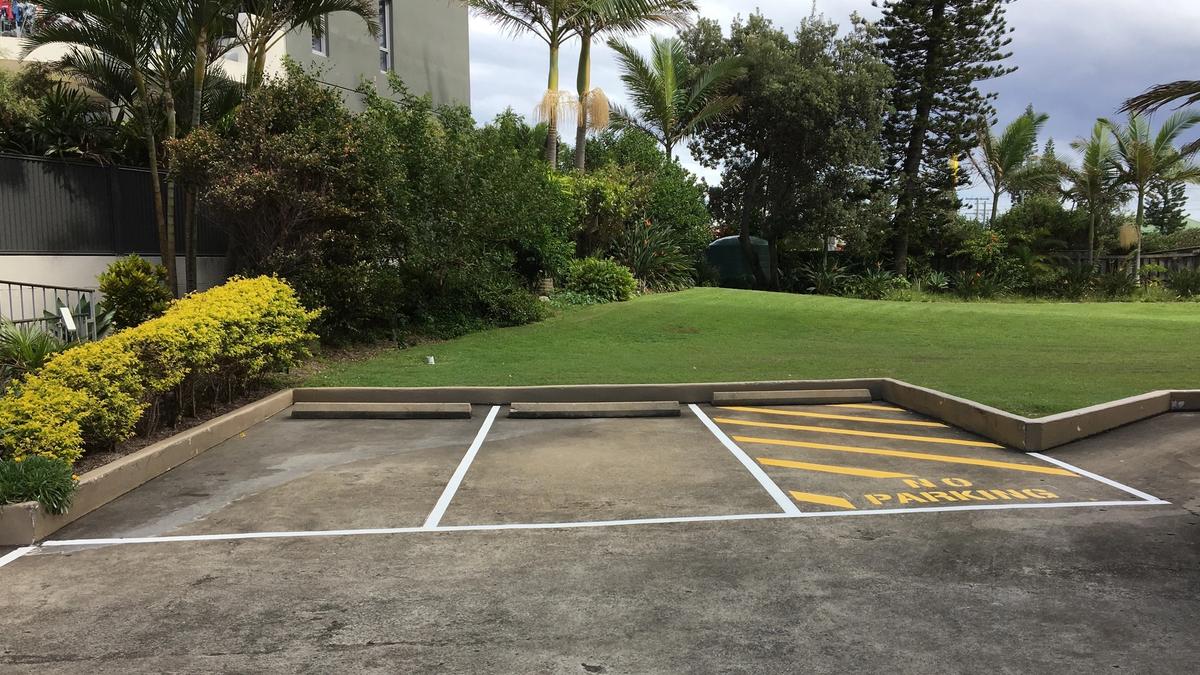
Clear, Compliant Strata Line Marking That Avoids Disputes
Residential line marking in Brisbane strata complexes is about much more than neat-looking lines. It covers everything that guides how people move and park on site, including visitor bays, shared driveways, fire lanes, bin areas, loading zones, accessible bays and the signs that support them.
When the markings are clear and consistent, the whole complex runs more smoothly. Residents know where they can park, visitors are less likely to get confused and emergency vehicles can access the site without delay. Good line marking also helps reduce risk for the body corporate by showing that safe access and parking rules are being taken seriously.
Strata managers in Brisbane often raise the same pain points:
- Old paint that has faded to the point where no one is sure what is what
- Visitor bays with no wording or broken stencils that people ignore
- Fire lanes that look like normal parking because the lines have worn away
- DIY touch-ups in random colours that do not match the rest of the complex
When this happens, disputes and complaints are almost guaranteed. People start making up their own rules, and that is when problems begin.
Key Compliance Rules Every Strata Complex Must Know
You do not need to memorise road rules to manage residential line marking in Brisbane, but you do need a basic understanding of what authorities expect. Fire appliances need enough room to reach hydrants and buildings. Fire lanes and clearways must stay open so trucks and ambulances can get close when seconds matter.
Some simple but important points include:
- Keeping fire lanes and hydrant access clearly marked and free from parking
- Making sure accessible bays are easy to identify and have correct symbols and nearby signs
- Providing parking bay sizes that suit modern vehicles so cars do not spill into drive lanes
- Keeping speed control markings, stop lines and arrows visible where they affect safety
Bodies corporate and strata managers are responsible for keeping these markings in good condition. That usually means:
- Scheduling regular checks of car parks and shared driveways
- Organising re-marking before lines are fully gone
- Engaging line marking contractors who understand local expectations and practical layouts
When line marking is not up to standard, the impact can be serious. Emergency crews may be slowed down by blocked access. Councils or fire authorities may issue warnings or enforcement notices. Insurers may ask further questions if incidents occur. On a day-to-day level, residents complain, meetings become heated and committees end up spending more time on parking disputes than anything else.
Visitor Parking Bays That Actually Work for Residents
Visitor parking is one of the biggest sources of conflict in any residential complex. The good news is that clear, consistent marking solves many problems before they start.
Best practice visitor bay layouts usually include:
- Clear VISITOR wording stencilled on the pavement in front of or inside each bay
- Consistent paint colours and symbols across the whole complex
- Directional arrows from the entry so visitors do not wander around looking for a park
- Visitor bays placed away from blind corners and tight turning spots
Signs are just as important as paint. Time limits and conditions work best when:
- The wording is simple and easy to read at a glance
- The sign is mounted at eye level and not hidden behind plants or bins
- Ground markings and signs communicate the same rule, not two different messages
Common mistakes we see include bays that are too short or narrow for current vehicles, pale paint used on faded concrete so the markings are hard to read, and numbering that does not match the building directory. Another major issue is failing to update markings after building changes or new landscaping, which can leave bays partly blocked or access paths unclear.
Fire Lanes, Bin Areas and Loading Zones That Stay Clear
Fire lanes in strata complexes need to be obvious, not open to guesswork. A functional fire lane usually has:
- Continuous, clear boundary lines that stand out from normal parking bays
- Strong NO PARKING or FIRE LANE stencilling on the ground at regular intervals
- Matching signs on posts or walls so people still see the message when cars cover the paint
Bin and service areas also need careful planning. If waste trucks or delivery vehicles cannot reach their spots, everyone feels the impact. Good layouts often include:
- Boxes or hatched zones that show where bins and trucks need clear space
- Wording such as BINS ONLY or LOADING ONLY painted where needed
- Arrows to guide trucks through tight driveways without clipping walls or parked cars
Frequent problems include faded fire lane wording that looks like a normal drive aisle, visitor bays painted too close to bin zones so bins have nowhere to go, and random signs added over time until residents stop reading them. When ground markings and signage work together, people are less likely to claim they were confused.
Smarter Residential Line Marking in Brisbane Car Parks
Properly planned residential line marking in Brisbane does more than meet rules. It makes everyday use easier for everyone who drives or walks through the site. This is especially important in basement car parks and tight townhouse driveways.
Smart layouts consider:
- One-way traffic in narrow aisles to avoid stand-offs between vehicles
- Stop lines and mirrors at blind corners to reduce near misses
- Clear pedestrian paths linking parking, lifts and entries
- Colour and symbols to show the difference between resident, visitor, accessible and service bays
It also helps to plan for upkeep from the start. Simple habits make a big difference, such as:
- Regular visual checks of high-traffic areas like entries and turns
- Scheduling re-marking before complaints build up
- Pairing pressure cleaning with line rework so new paint bonds well and stays clear
When lines are kept sharp and easy to see, people are more likely to follow them. The whole space feels safer and more organised, even when the car park is full.
Avoiding DIY Disasters and Choosing the Right Contractor
It can be tempting for committees to save money with a quick DIY paint job or to choose the cheapest quote available. That often leads to problems such as crooked lines, random colours, paint that peels quickly and symbols that do not match what authorities expect. It may look acceptable for a short time, but it usually does not hold up under daily use.
A specialist strata line marking provider should be able to offer:
- Experience with apartment and townhouse complexes, not just open roads
- Practical advice on layouts that reduce conflict and improve access
- An understanding of local standards for fire access, accessible bays and signage
- Work methods that help keep disruption to residents as low as possible
A full-service approach is usually best. That means taking time to inspect the site, providing layout suggestions, removing old or confusing markings, pressure cleaning surfaces before painting and installing matching safety signs where needed. When there is also a plan for periodic refreshes, the complex stays clear, compliant and easier to manage over the long term.
Get Started With Your Project Today
If you are ready to improve safety, access and street appeal at your property, we are here to help. At Angle Linemarking QLD, our experienced team can guide you through the best layout, materials and finishes for your space, from driveways and visitor parking to shared areas. Explore our residential line marking in Brisbane service to see how we can tailor a solution to your home or complex. Reach out to us today to discuss your project and arrange a quote.