
Why Visual Management Tools Like Traffic Signs Improve Safety
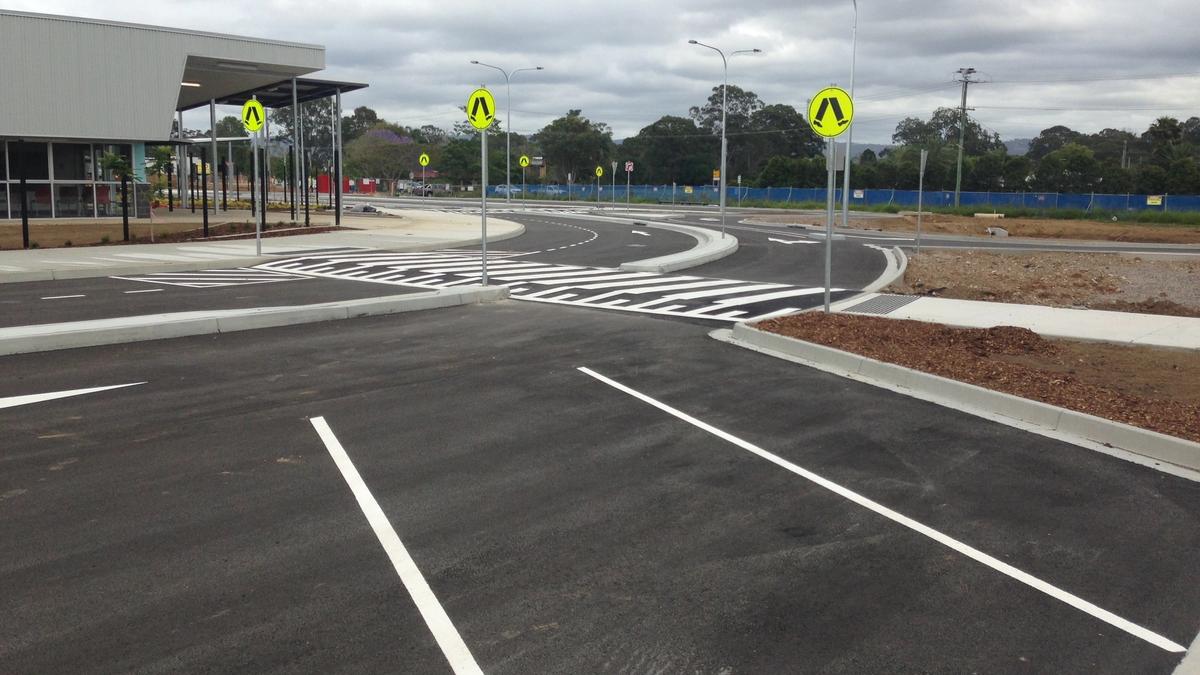
How Simple Signage Improves Site Safety and Flow
Busy places like warehouses, school campuses, hospitals and car parks rely on more than set rules to run safely. In real working environments where people, vehicles and tight schedules overlap, verbal directions or written handbooks often fall short. What keeps things moving smoothly are visual cues that people can understand at a glance.
Traffic and safety signage helps everyone know where to go, how to behave and what to avoid. Whether it is a stop sign near a pedestrian crossing or a forklift warning near a loading dock, these tools remove guesswork from fast decisions. When the layout is clear, people can work or move around with more confidence, reducing the chance of mistakes.
This kind of visual direction plays a major role in creating safer, better organised spaces. For many businesses and sites, these signs and markers become part of the background, but they still perform an important job every day. Understanding how they work helps show why they matter so much.
Clear Signs Mean Less Confusion
When people arrive at a new site or return to a busy one, they often make split-second decisions. A good sign can be the difference between a smooth experience and someone ending up in the wrong place.
Without proper signage, even a well-designed site can become confusing. People are left guessing, which can lead to delays, frustration and increased risk. A missing directional arrow or faded no-entry symbol might seem minor, but in a commercial car park or delivery zone, it can slow traffic, cause backups or block important access points.
Clearly marked signs in high-traffic areas help prevent hold-ups. Good signage allows people to complete tasks more efficiently, whether they are there to park, unload goods or move to another part of the site. They can continue on their way without stopping to ask for directions. That kind of quiet efficiency adds up over time and creates a smoother experience for staff, visitors and contractors.
For people who visit the site less often, clear signage also removes uncertainty. When new employees or delivery drivers arrive, they can work out where to go more easily. This reduces interruptions for staff and helps movement stay steady across the site.
Helping Prevent Accidents Before They Happen
In shared spaces where foot traffic mixes with moving vehicles, small mistakes can quickly become serious. Workplaces, retail sites, hospitals and schools all face this challenge. Clear signs help prevent accidents by guiding movement before something goes wrong.
Visual warnings near hazards are one of the simplest ways signage keeps people alert. In warehouses, a mounted sign can remind people to stay clear of forklift routes. In schools or hospital corridors, signs can show where equipment is stored or which paths must stay clear for emergency access.
Signs work even better when supported by painted floor markings. Together, these visual safety markers make hazardous or restricted zones much more obvious. Bright paint and clear signage reinforce where people should not walk or stand. That combination helps people choose safer routes without needing to think too hard under pressure.
Accidents are not only caused by inattention. They are also caused by unclear communication. Proper signage delivers information quickly and clearly, which reduces decision-making time when it matters most. For busy sites, that can make a major difference.
Keeping Large Sites More Manageable
Larger sites often have visitors, contractors or new staff moving in and out regularly. Facilities managers know that first-time visitors or people working irregular shifts often need help finding the right place. If everyone needs assistance just to locate the correct door or access point, time and energy are lost quickly.
Strong signage layouts reduce these small but constant delays. Signs that clearly mark entrances, exits and key areas help movement flow better and create a stronger sense of order. For places like shopping centres, schools or mixed-use warehouses, that makes the whole site easier to manage.
This is especially useful for people who do not speak English fluently or who may struggle with written instructions. Colour-coded signs or clear symbols can show what needs to be done without relying on lengthy explanations. That makes safety more accessible and reduces how often staff need to stop what they are doing to give directions.
Signage is also useful when site layouts change. During construction, maintenance or temporary works, updated signs can help people navigate the site more easily and reduce confusion while normal routes are affected.
Staying Compliant and Easy to Audit
Many facilities need to meet ongoing safety or access requirements. Insurance conditions, internal procedures and formal safety obligations all make this important. During audits or contractor walkthroughs, visible signage helps show that the site is actively managing risk.
Signs help identify hazards, support emergency plans and show where controls are in place. Unlike emails or paperwork, signs stay visible where anyone can refer to them at any time. That makes it easier for staff, visitors and contractors to understand the site’s safety expectations.
That visibility only helps if the signage is still in good condition and reflects the way the site currently operates. Faded, damaged or outdated signs can create confusion instead of clarity. That is why signage should be reviewed regularly and updated when layouts, traffic flow or risk areas change.
In high-use environments, it makes sense to inspect signs as part of regular site checks. This does more than support audits. It also helps identify potential problems before they lead to unsafe situations.
When Safety Looks Simple, It Works Better
A well-marked site makes an immediate difference. Knowing where to slow down, where to go or where to stay back does not need to be complicated. The more intuitive a signage system is, the faster people understand it and respond correctly.
Good traffic and safety signage should not get in the way. It should support the natural flow of movement and tasks across the day. It reduces pressure on staff, improves visitor safety and helps people focus on what they are there to do instead of wondering where they should be.
The simpler a safety setup is to understand, the faster people can respond when conditions change. That is why thoughtful, clear signage across key areas is more than a requirement. It is a practical way to keep sites safer and easier to manage.
Clear signs make your site easier to navigate and a lot safer for everyone who uses it. Whether you manage a warehouse, hospital, or shopping centre, keeping people informed through strong visual cues helps prevent accidents and saves time. See how Angle Linemarking QLD can support your site safety and flow with reliable traffic and safety signage that works where and when it matters most.