What to Consider Before Installing Tennis Court Lines at Schools
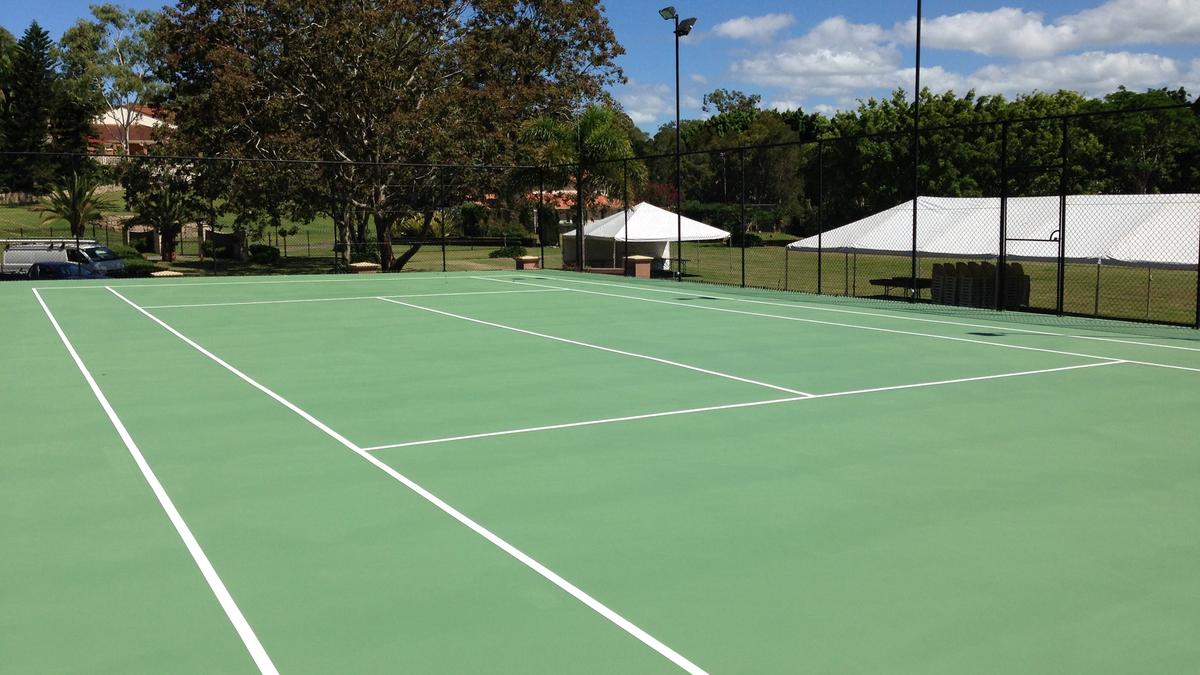
Scheduling tennis court line marking around school holiday breaks helps minimise disruptions. Quiet periods on school grounds allow courts to be prepared efficiently and safely, no matter the time of year. But before any lines go down, it helps to plan carefully.
Weather conditions around this time can be tricky. Queensland summers bring heat, humidity and sudden storms, which can all affect how well the paint cures. Before we get started on any tennis court project, we take time to look at the surface, the purpose of the court, and how long we have to get it done. We work with schools across South East Queensland, including Brisbane and the Gold Coast, so planning around local summer weather is part of every job. That way, we’re not fixing lines that didn’t stick properly or faded too fast once school starts.
Check the Surface Type and Condition
Not every surface is right for tennis court line marking. That’s why the first thing we check is what kind of base we’re working with. We only do markings on concrete or asphalt. Soft court, grass and synthetic surfaces aren’t suitable and aren't part of the work we take on.
Before painting begins, we walk the court and look for issues like:
- Cracks or areas with crumbling concrete
- Oil stains or ground-in dirt, especially near corners and walls
- Mould or algae along shaded edges
- Water from sprinklers pooling in low spots
Cleaning comes next. Pressure washing lifts stuck-on dirt and clears the area so new lines stay sharp. If we find signs of major wear or older markings that need to come off first, we’ll plan for that too. A clean, dry surface helps the paint bond well and hold up to long-term foot traffic.
Understand the Purpose of the Court
Every school uses its outdoor space a bit differently. Some need full-sized courts for training and interschool comps. Others might be marking shared spaces where students play different games through the year. We always ask up front how the area will be used. Along with tennis courts, we mark other sports courts and shared-use spaces for schools and commercial sites, so layouts often need to suit more than one activity.
That helps us make sure the layout fits. A court for daily PE classes can use standard school measurements. If a court will host matches, then line placement matters more and needs to match competition sizes. If it’s a shared space, we talk through line colour options so one set doesn’t blend into another.
More than one sport in the same area isn’t a problem when planned right. In those cases, we keep spacing clean and lines readable from a distance. The goal is to help students and staff use the space in a way that’s easy, not confusing.
Plan for School Holiday Timing
School holiday breaks provide ideal opportunities for outdoor projects, including line marking. With minimal foot traffic, limited vehicle movement, and no risk of students stepping through paint before it dries, these quieter periods allow work to be completed efficiently and safely, regardless of the time of year.
But summer weather doesn't wait for anyone. Queensland heat combined with sudden downpours can make planning tricky. Paint needs decent airflow and enough time to dry without being hit by rain or covered in leaf litter.
To stay ahead of problems, we keep a close eye on forecasts and start jobs during dry stretches. We always allow a few days between pressure washing and painting.
Booking early allows for better coordination with staffing, site access, and any real-time circumstances that may affect the job. Scheduling is flexible, and adjustments are often needed to ensure work can be completed safely and efficiently.
Talk Safety and Compliance
Well-marked courts don’t just look tidy. They also help keep things safe. That’s why we use clear line styles that meet standard school layouts and ensure every court is set up with room to move.
Safety starts with spacing. Tight corners or misaligned lines can lead to tripping, especially for younger students during fast-paced games. Faded lines don’t help either. That’s why the markings need to be strong enough to last across terms, not just a few weeks.
Here are a few things we check on every job:
- The paint being used is appropriate for the application
- Colours don’t blend together if there are other markings on the surface
DIY marking or repainting without proper prep can lead to poor results. Paint may lift fast or look uneven, making the space harder to manage. Getting it straight from the start reduces the risk of needing to redo the work once school is back in session.
The Best Start to the School Term
When tennis court line marking is planned out ahead of time, schools are better set up for Day 1. Students get a clean, usable space. Teachers aren’t chasing down last-minute fixes. A solid job lets everyone move into the term without hassle.
Exposure to weather, foot traffic, and regular sport all put wear on the lines. But if the surface is clean and dry and the paint is applied under the right conditions, it’ll hold up well through the busiest season.
A court that’s properly prepped and marked looks good, and works as intended. That’s what sets up the new term for success.
Preparing your school grounds for the start of the term is easier when you work with us. We make sure your surface is ready and your court lines are done right from the start. We check the base, and take care of every detail so your space is clear and safe for students. Our team delivers durable, lasting results for sport and shared-use areas. To see more about how we approach tennis court line marking, contact Angle Linemarking QLD today.