When to Use Warehouse Line Marking for Safer Workflow
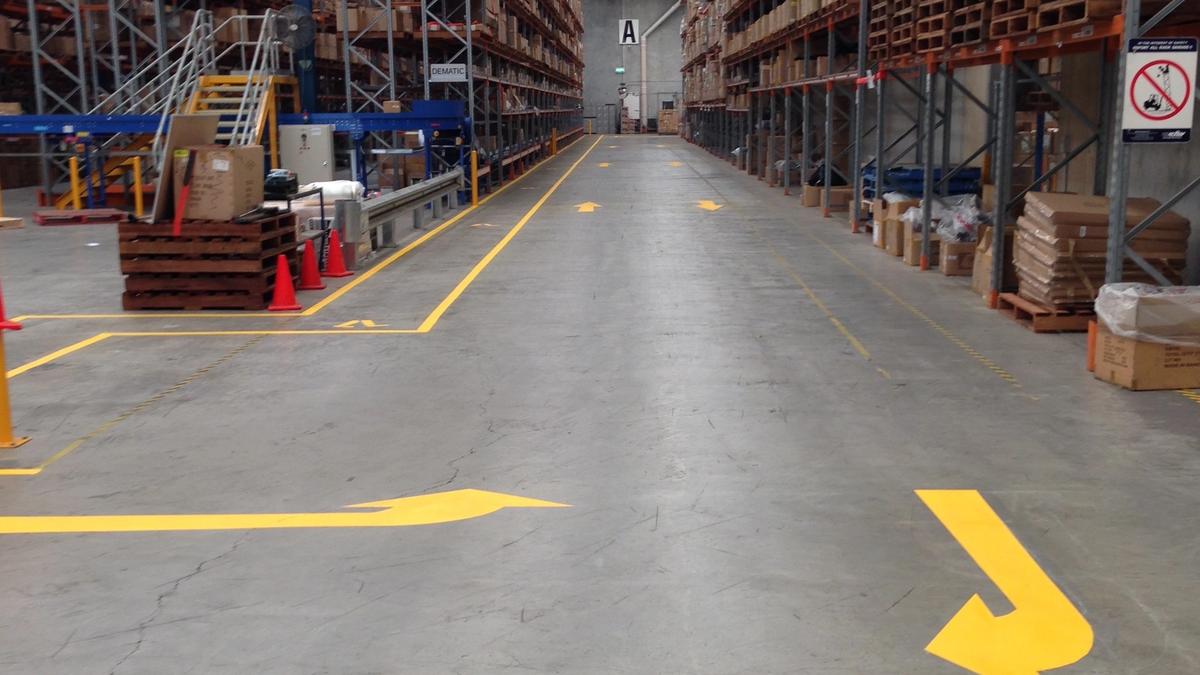
Keeping people safe and work flowing smoothly is a big part of how we manage a warehouse. The layout only works as well as the systems that guide it, and when movement picks up, spaces can get confusing quickly. Without clear floor markings, it’s easy to lose track of where pallets should go, where equipment belongs or where people are meant to be walking.
That’s where warehouse line marking plays such an important role. It helps create order, guiding traffic, keeping zones clear, and reducing the chances of crossovers or close calls. With clear lines on the floor, everyone knows where to go, how to move and what to watch for.
So when does it make sense to invest the time and effort into updating or adding warehouse line marking? Let’s look at the key times that usually call for a fresh look at how your floors are guiding the work.
High-Traffic and Shared Zones
The busier the space, the easier it is for lines to get crossed. In many warehouses, forklifts and people often share the same walkways. That kind of mixed traffic adds pressure and risk, especially during busy periods or shift changes. Without visual clues pointing out the right paths to take, staff may cut corners, bump into one another or block work from moving ahead.
Line marking gives those zones some breathing room. When forklift paths are clearly separated from pedestrian access areas, everyone has more confidence in how to move through the space. Simple markings set boundaries that help people stay on task, focus on what they’re doing and avoid stepping into someone else's path.
This kind of signage also helps new team members or contractors pick things up quickly. There’s less need to constantly explain where things go or how to move through the site. The floor does some of the speaking, guiding people with colour, arrows, or blocking to make directions obvious.
Angle Linemarking QLD supplies high-visibility markings for loading docks, forklift bays, and walkways, using slip-resistant coatings to suit Queensland warehouse environments.
Seasonal or Layout Changes
Heading into November and December, many sites are already preparing for a seasonal uptick. Whether it’s increases in orders, more stock arriving, or extra hands on deck, busy months tend to stretch any warehouse system. That includes how traffic moves through the space.
Temporary line marking or updates to existing markings can help ease the stress that comes with seasonal changes. Maybe you’ve added extra pick stations or brought in overflow materials. Without adjusting how space is used, workers might default to guesswork, walking into areas where machinery moves or cutting through loading spaces for speed.
Start of Facility Upgrades or Safety Policies
When a warehouse brings in new rules or technical upgrades, changes on the ground should reflect those new decisions quickly and clearly. It might be an updated safety policy, a new equipment flow, or a reworked layout. In all of these cases, warehouse line marking is one of the earliest and most effective tools to support those changes.
A clear set of visuals makes early training and guidance easier. If a traffic zone is now closed to foot traffic, a freshly painted barrier line sends that message faster than a written note or quick briefing. When people walk into a newly updated part of the warehouse, they can instantly read where it’s safe to go, where to wait and how to move through the space.
It’s not just about the first few days either. Those markings continue to remind everyone of the right paths and behaviours long after the policy briefing has passed. They support the day-to-day reality of what safety plans look like in action.
When Wear and Tear Becomes a Hazard
Every warehouse floor takes a hit over time. Whether it’s tyres wearing down painted lines or heavy foot traffic smudging walkways, even the best line marking starts to wear out eventually.
When those marks fade too much, they stop working. People step into the wrong zones or mix up storage areas. In spots where edges get hard to see, there’s a bigger risk of trips or poor placement. In loading docks especially, that can lead to real problems like dropped items, blocked paths or vehicles being guided incorrectly.
Refreshing floor markings before they get too worn can help avoid those headaches. No one wants to hold up a shipment or stop work to fix a preventable issue. A simple update now saves confusion later, and keeps hazard points from growing into more serious risks.
During Regular Maintenance Windows
The best time to do line marking is often when nothing else is happening. Most warehouses have set times when floors are clear for servicing, repairs or inspections. These quiet periods are ideal for minor marking work that helps keep everything fresh.
Using that time to touch up floor paint or update layout zones doesn’t take long, but it adds real value. Even just a handful of hours spent during off-peak times can cover major areas without disrupting anyone’s daily work. It's a simple way to stay ahead without needing a full shutdown or return visit.
When marking updates are worked into routine maintenance schedules, they’re less likely to fall between the cracks. That way, warehouse lines don’t get overlooked until they become a problem. Like any tool, they work best when checked and touched up before the wear becomes noticeable.
Angle Linemarking QLD offers both permanent and temporary marking options, letting warehouses match safety needs to busy or changing schedules and floor use.
Making the Workday Safer and Simpler
There’s never a single rule that decides when to use warehouse line marking. But the more we pay attention to how the site is used, the easier it is to spot when it makes sense to take action.
From shared zones to seasonal peaks, the right markings at the right time help keep warehouse life running cleaner and safer. Well-marked areas don’t just look tidy, they solve confusion before it starts and help teams focus on the job. That sort of clarity doesn’t just protect people. It supports smoother workflows, better decisions and fewer slowdowns. When moving parts stay in sync, the entire warehouse runs better.
At Angle Linemarking QLD, we know how important it is to keep warehouse spaces clear, safe and easy to use, especially when things get busy. When floor markings start to fade or workflows shift, it’s a good time to reassess your layout. If you're ready to refresh or improve your warehouse line marking, we’re here to help make the process simple and effective. Whether you're planning routine maintenance or getting set for a busy stretch, smart marking choices can help your site run more smoothly. Give us a call to talk through what your space needs.